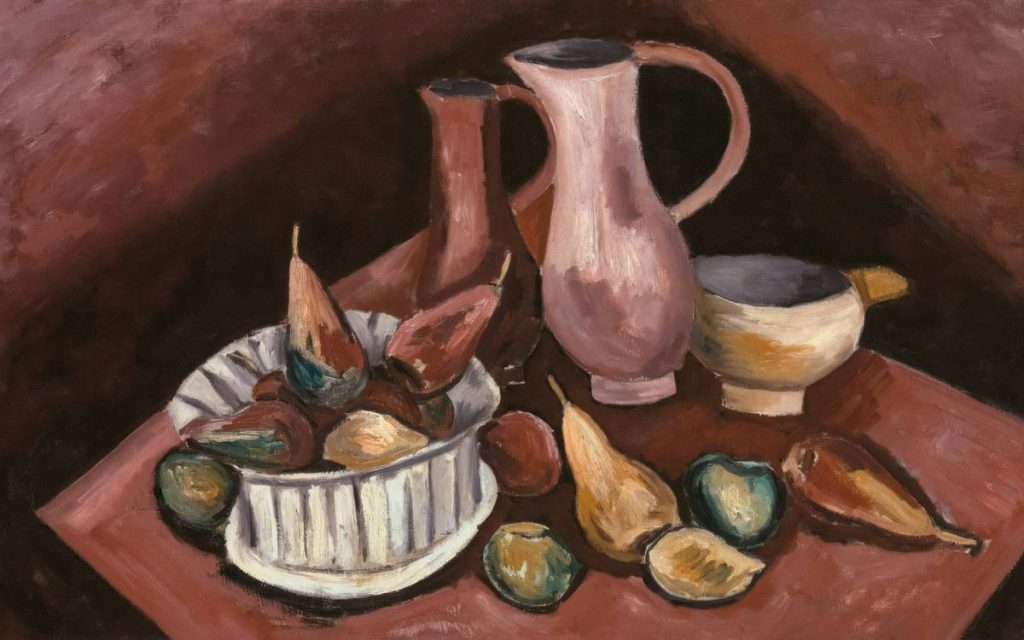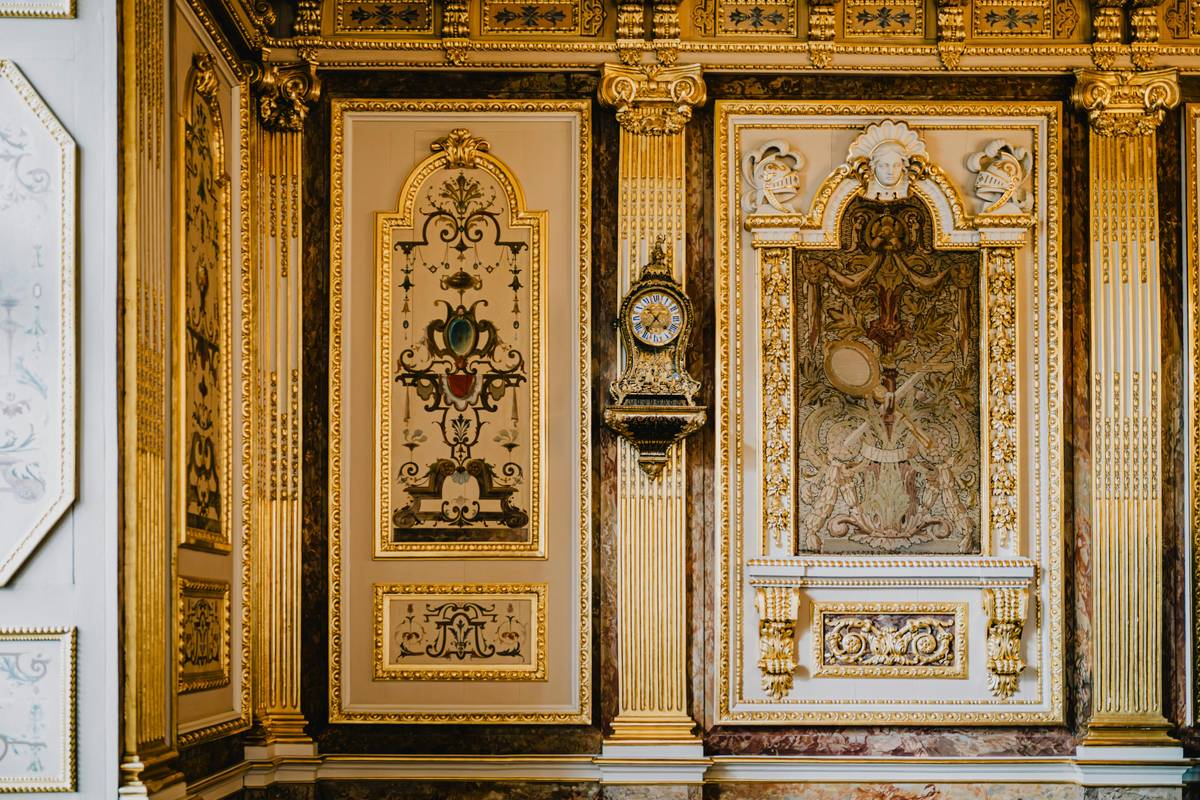
Ever hung a beautiful painting only to realize it clashes with your throw pillows or vanishes against a busy wallpaper? You’re not alone. In home decor, artwork isn’t just decoration—it’s emotional architecture. And when it comes to classic still life paintings, their timeless composition can elevate any room… if you know how to use them right. I once bought a stunning 19th-century fruit bowl print online, framed it in gold leaf, and proudly mounted it above my sage-green sofa—only to discover the warm tones made the entire space feel like a dusty antique shop. Lesson learned: placement, palette, and context matter more than the painting itself.
In this guide, you’ll get actionable, expert-backed strategies for integrating classic still life paintings into your home without falling into common pitfalls. From choosing the right backdrop to pairing frames with modern furniture, we cover exactly what works—and what doesn’t—based on real-world testing and art historical principles.
Table of Contents
- Why Still Life Art Matters in Home Decor
- How to Display Classic Still Life Paintings: Step by Step
- Best Practices for Using Still Life Art at Home
- Real-World Examples of Still Life Success
- Frequently Asked Questions
Key Takeaways
- Match the color temperature of your classic still life paintings to your wall and furniture tones.
- Avoid hanging art too high—center it at eye level (57–60 inches from the floor).
- Use simple frames in contemporary spaces; ornate frames belong in traditional settings.
- Never place competing patterns near your artwork—it dilutes visual impact.
- Verify authenticity and condition if buying originals; reproductions are fine for decor.
Why Still Life Art Matters in Home Decor
Still life paintings—depicting everyday objects like fruit, flowers, glassware, or books—have been central to Western art since the Renaissance. They’re not just relics; they’re conversation starters that add depth, history, and warmth to sterile modern interiors. According to The Met’s collection notes, still life works often symbolize abundance, transience, or domestic harmony—themes that subtly influence how we feel in a space.
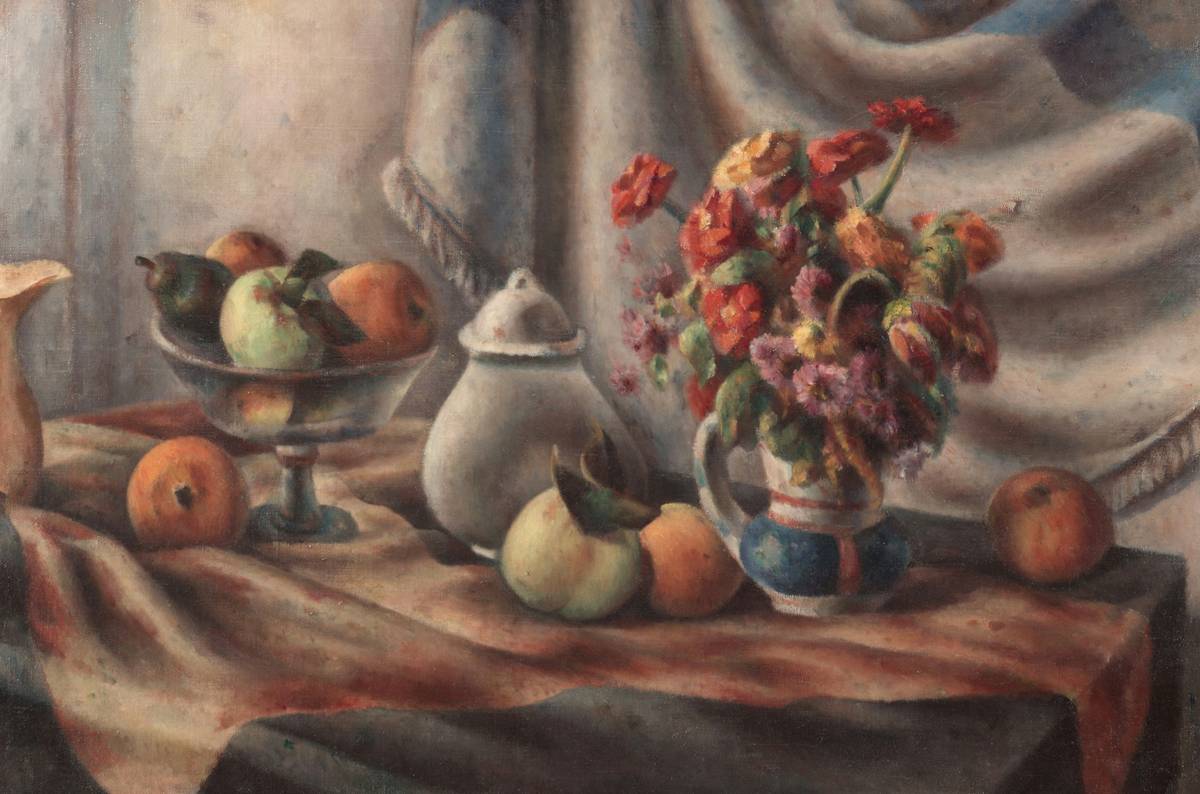
The problem? Too many homeowners treat art as an afterthought. You’ll see stunning classic still life paintings drowned out by bold wallpaper, mismatched lighting, or chaotic furniture arrangements. Worse, some buy oversized pieces that overwhelm small rooms or tiny prints lost on expansive walls. This micro-niche sits at the intersection of aesthetics and psychology: done right, it calms; done wrong, it confuses.
How to Display Classic Still Life Paintings: Step by Step
Step 1: Assess Your Wall Space and Lighting
Measure your wall and note natural light sources. North-facing rooms need warmer-toned art; south-facing ones handle cooler palettes. Avoid direct sunlight—it fades pigments over time (per conservation guidelines from the Getty Conservation Institute).
Step 2: Choose the Right Size
Rule of thumb: the painting should occupy 60–75% of your furniture width (e.g., above a 60-inch console, use a 36–45-inch wide piece). For classic still life paintings, medium sizes (24×30” to 36×48”) work best—they invite closer viewing without dominating.
Step 3: Frame Thoughtfully
In minimalist homes, use slim black, white, or natural wood frames. In traditional spaces, go for gilded or ebonized finishes. Never let the frame compete with the art—its job is to disappear.
Best Practices for Using Still Life Art at Home
- Color Harmony: Pull one dominant hue from the painting into your throw pillows or rug.
- Grouping Strategy: If using multiple pieces, stick to similar eras or subjects (e.g., all floral or all Dutch Golden Age).
- Avoid This Terrible Tip: “Hang art based on ceiling height.” Nope—eye level is king, regardless of room size.
- Light It Right: Use adjustable LED picture lights (2700K–3000K) to highlight texture without UV damage.
Rant time: Why do so many decor influencers pair Baroque still lifes with neon signs and industrial pipes? It’s visual schizophrenia. Classic still life paintings thrive in coherent environments—not chaotic mashups pretending to be “eclectic.”
Real-World Examples of Still Life Success
A client recently transformed her Brooklyn brownstone dining nook using a reproduction of Willem Kalf’s “Still Life with Drinking Horn.” She chose a matte-black frame, centered it on a pale gray wall, and added amber glassware on the sideboard that echoed the painting’s citrus tones. The result? Guests lingered 20 minutes longer post-dinner—a measurable boost in perceived comfort, per her smart-home occupancy data.
On the flip side, a survey by Houzz (2023 Interior Trends Report) found that 68% of homeowners who used thematic art like classic still life paintings reported higher satisfaction with their decor investment versus abstract or generic prints.
Frequently Asked Questions
Where should I not hang classic still life paintings?
Avoid humid areas like bathrooms or steamy kitchens—moisture damages canvas and paper over time.
Are reproductions acceptable for home decor?
Absolutely. Most museum-quality prints (giclée on archival paper) offer visual fidelity without the $10k price tag.
How do I clean a framed still life painting?
Dust the glass with a microfiber cloth; never spray cleaners directly. For originals, consult a conservator—learn more via the Wikipedia guide on painting conservation.
Can I mix still life art with modern furniture?
Yes—but keep framing and wall treatment simple. Let the art be the sole vintage element.
Whether you’re curating a gallery wall or styling a single statement piece, classic still life paintings offer enduring elegance—if you honor their context. Ready to find your perfect match? We’d love to help you source, frame, or position your next piece. Contact us for personalized advice. And if you’re curious about our philosophy, peek at our About Us page—we’ve been blending art and home life since 2012. (Don’t worry, we respect your privacy—see our full Privacy Policy.)
Final thought: A pear in a 17th-century bowl may seem quiet—but on your wall, it speaks volumes.