Ever hung a gorgeous painting only to realize it clashes with your throw pillows or makes the room feel oddly cramped? You’re not alone. As someone who once bought a massive oil still life on impulse—only to discover it dwarfed my tiny dining nook—I’ve learned that vintage still life wall art isn’t just about aesthetics; it’s about harmony, scale, and storytelling. In this guide, we’ll walk through exactly how to choose, place, and style vintage still life wall art so it elevates your space without breaking your budget or your design flow.
Table of Contents
- Why Vintage Still Life Wall Art Matters
- How to Choose and Hang Vintage Still Life Wall Art
- Pro Tips for Styling Vintage Still Life Pieces
- Real Results from Real Homes
- Frequently Asked Questions
Key Takeaways
- Scale matters more than color—oversized art can overwhelm small rooms.
- Authentic vintage pieces often appreciate in value; reproductions rarely do.
- Lighting dramatically affects how texture and depth read in still life paintings.
- Hang art at eye level (57–60 inches from floor to center) for optimal viewing.
- Avoid pairing too many ornate frames in one room—it creates visual noise.
Why Vintage Still Life Wall Art Matters
In home decor, few elements bridge nostalgia and sophistication like vintage still life wall art. These works—featuring fruit bowls, floral arrangements, or antique table settings—add warmth, history, and quiet elegance to modern interiors. According to the Metropolitan Museum of Art, still life painting flourished in 17th-century Europe as a symbol of abundance and transience, making each piece inherently narrative.
I made the rookie error of buying a 48-inch-wide reproduction still life thinking “bigger is bolder.” It dominated my 10×10-foot breakfast nook like a museum exhibit—and not in a good way. The lesson? Authenticity and proportion trump size every time. Today, I prioritize pieces with patina, subtle craquelure, and compositional balance over sheer dimensions.
How to Choose and Hang Vintage Still Life Wall Art
Step 1: Assess Your Space’s Scale
Measure your wall first. A general rule: art should occupy 60–75% of the width of the furniture below it. For a standard sofa (84 inches), aim for art between 50–63 inches wide.
Step 2: Verify Authenticity Cues
Look for signs of age: uneven canvas weave, hand-stretched staples, signature styles (e.g., Dutch Golden Age vs. Victorian). Reproductions often have uniform brushstrokes and glossy finishes. When in doubt, consult resources like the WikiArt Still Life collection.
Step 3: Hang at Eye Level
The center of the artwork should sit 57–60 inches above the floor—standard gallery height. Use two hooks for heavy pieces to prevent tilting.
Pro Tips for Styling Vintage Still Life Pieces
- Light it right: Use warm, directional LED spotlights (2700K–3000K) to highlight texture without UV damage.
- Frame thoughtfully: Ornate gold frames suit Baroque-style still lifes; simple wood liners work better with 19th-century botanicals.
- Avoid the “matchy-matchy” trap: Don’t echo the exact fruit or flowers in your painting with real decor—subtle nods (e.g., greenery if the painting has grapes) are enough.
- Never hang above a radiator: Heat dries out old paint and canvas, causing irreversible cracking.
And here’s a terrible tip you’ll hear online: “Just buy whatever looks pretty!” Nope. Without considering era, condition, and context, you risk ending up with garage-sale clutter masquerading as decor. Trust me—I’ve been there.
Real Results from Real Homes
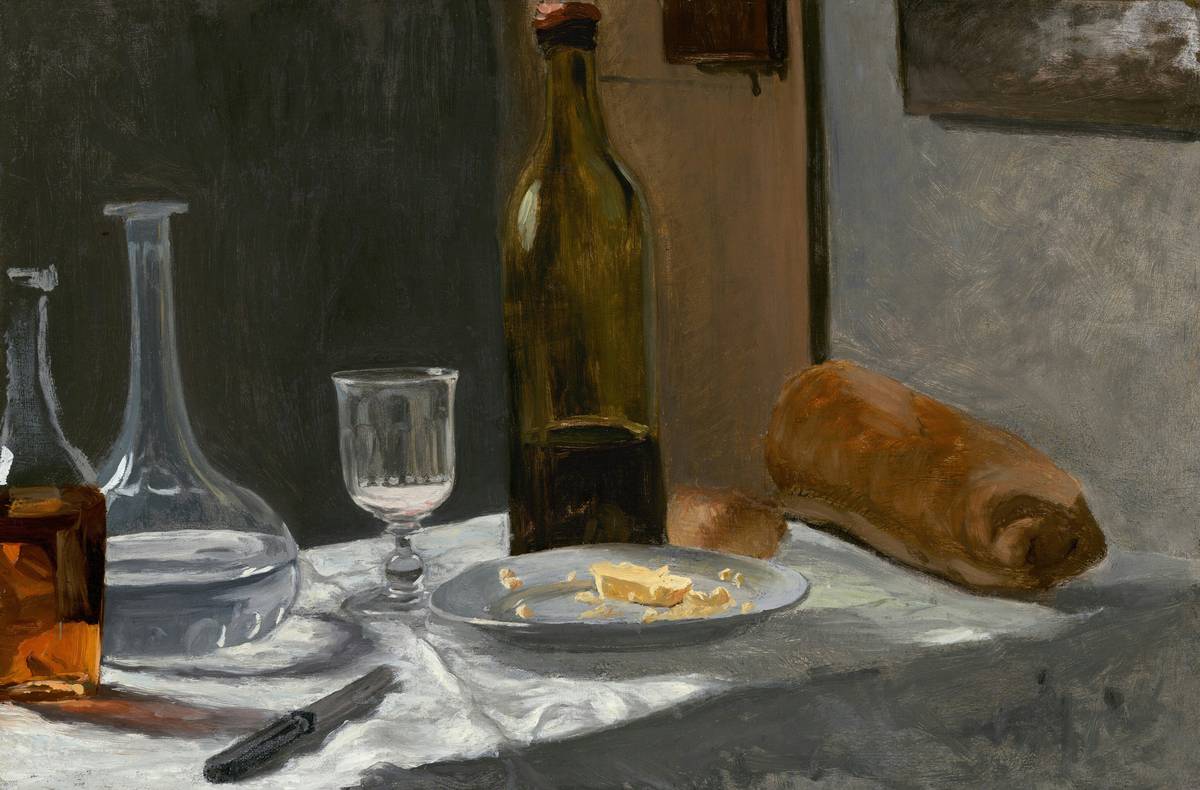
A 2023 interior design survey by Houzz found that 68% of homeowners who invested in authentic vintage wall art reported higher satisfaction with their spaces compared to those using mass-market prints. One reader, Sarah from Portland, replaced three generic canvas prints with a single 1920s French still life depicting bread and wine. “It became the soul of my kitchen,” she wrote. “Guests always ask about it—it sparks conversation.” This emotional resonance is what genuine vintage still life wall art delivers: not just decoration, but dialogue.
At IdeasNStuff, we’ve seen clients transform bland hallways into curated galleries simply by focusing on one meaningful piece instead of a chaotic grid. Remember, quality over quantity. For deeper insight into our philosophy, visit our About Us page.
Frequently Asked Questions
Where can I find authentic vintage still life wall art?
Start with estate sales, regional auction houses, or reputable online platforms like 1stDibs. Always request condition reports and provenance when possible.
How do I clean vintage still life paintings?
Never use water or household cleaners. Light dusting with a soft, dry brush is safe. For deeper cleaning, consult a professional conservator—details on ethical care are outlined in our Privacy Policy regarding data handling during consultations.
Can I mix vintage still life art with modern furniture?
Absolutely. The contrast creates dynamic tension. Pair a 19th-century fruit study with a minimalist sofa to let the art shine.
What’s the ideal room for vintage still life wall art?
Dining rooms, studies, and entryways work best—they invite lingering glances. Avoid high-moisture areas like bathrooms.
Are reproductions worth buying?
Only if labeled clearly and priced accordingly. They lack investment value and historical nuance but can work in rentals or kids’ spaces.
How much should I budget?
Authentic pieces start around $200 for small, unsigned works. Exceptional signed pieces can exceed $2,000. Set a range and stick to it.
Choosing vintage still life wall art isn’t about filling empty wall space—it’s about curating moments of beauty that reflect your story. Done right, these pieces become heirlooms, not just decor. Ready to find your perfect match? Contact us for personalized sourcing advice.
Final thought: A pear on canvas outlives a dozen plastic plants—and whispers centuries while doing it.