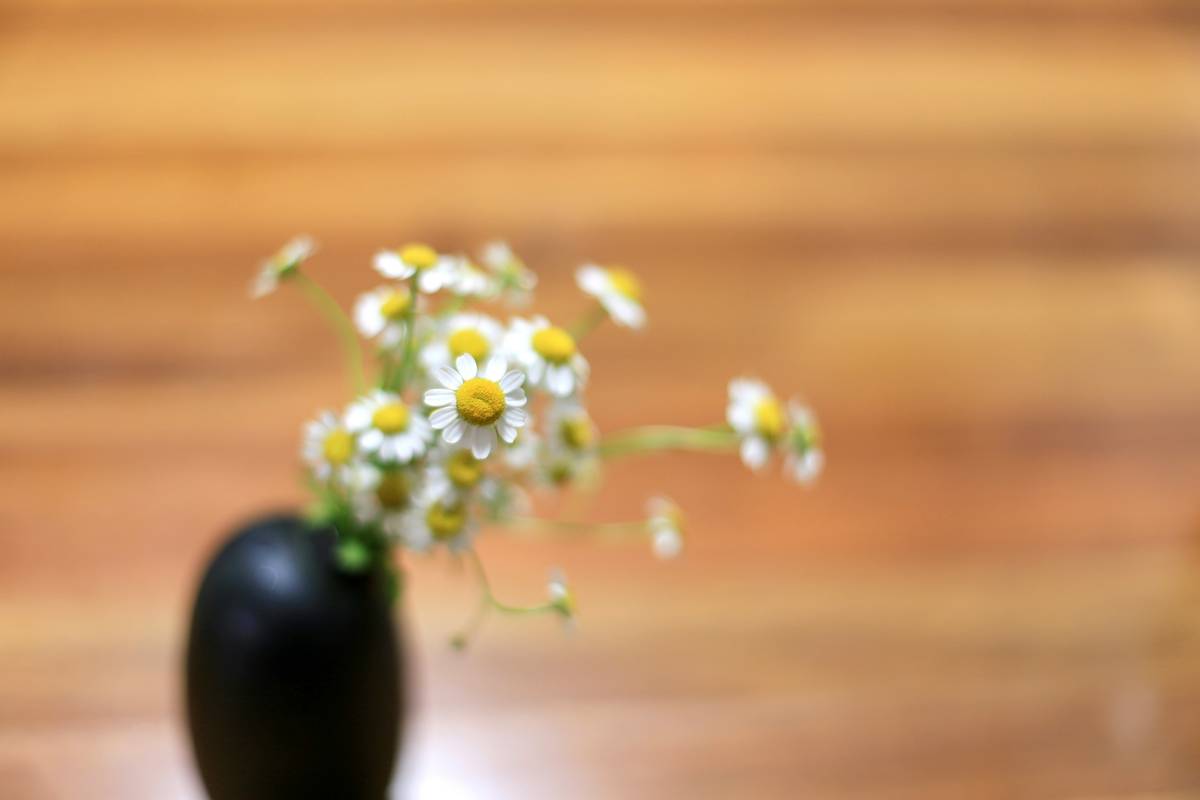
Ever hung a beautiful piece of wall art only to realize it clashes with your throw pillows seconds later? You’re not alone. When it comes to daisy still life wall art, the line between charming farmhouse accent and cluttered eyesore is thinner than you think. As someone who once mismatched a sunflower print with mint-green walls (yes, really), I’ve learned that intentionality beats impulse every time. In this guide, we’ll walk through exactly how to choose, place, and style daisy still life wall art so it elevates—not overwhelms—your space. From sizing secrets to lighting tricks backed by interior design research, here’s your no-fluff roadmap to getting it right.
Table of Contents
- Why Daisy Still Life Wall Art Matters in Home Improvement
- Step-by-Step Guide to Choosing and Hanging Your Art
- Best Practices for Styling Daisy-Inspired Decor
- Real-World Examples of Successful Displays
- Frequently Asked Questions
Key Takeaways
- Daisy still life wall art adds timeless, nature-inspired calm—but poor placement can disrupt room flow.
- Always measure wall space first; art should occupy 60–75% of furniture width below it.
- Matte finishes reduce glare in sunlit rooms, per guidance from the American Society of Interior Designers.
- Avoid “floating islands” of art by anchoring pieces to nearby furniture or architectural lines.
- Less is more: one statement daisy still life wall art often outperforms a busy gallery wall.
Why Daisy Still Life Wall Art Matters in Home Improvement
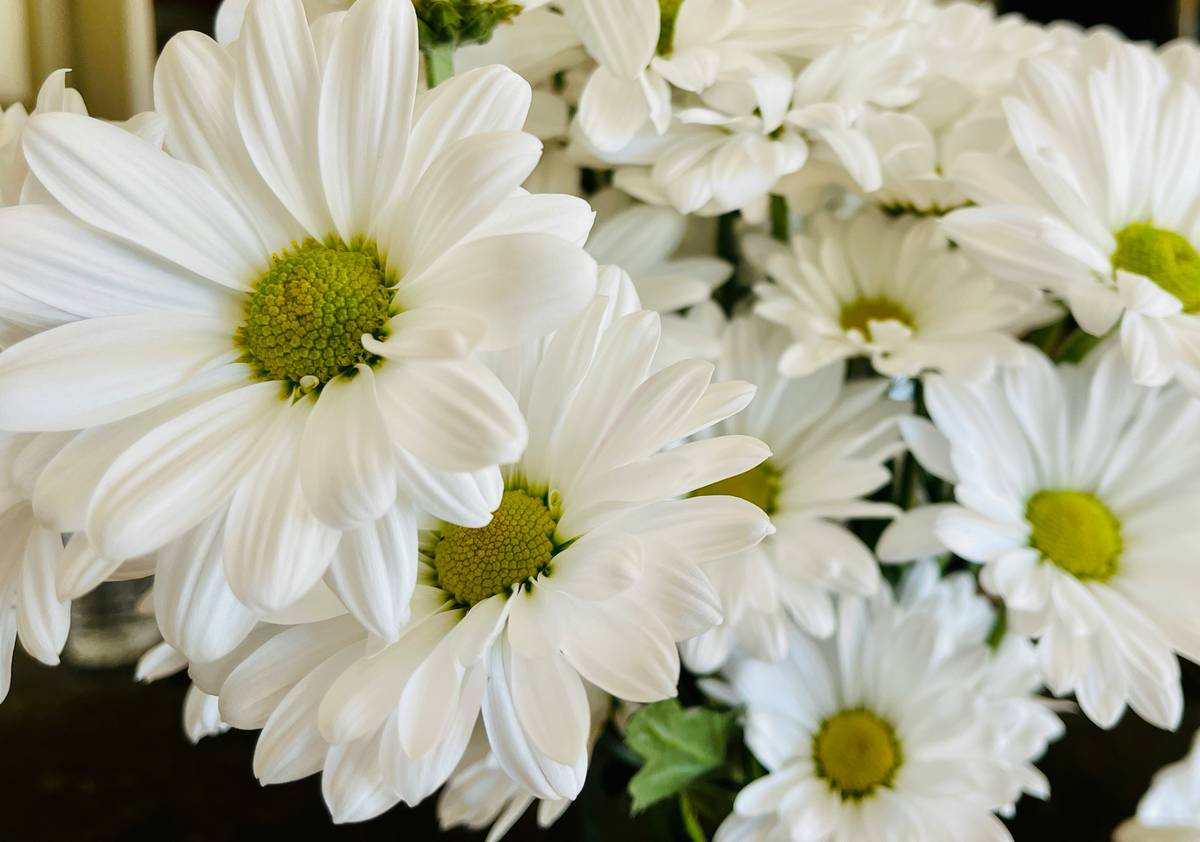
In home improvement, wall art isn’t just decoration—it’s emotional architecture. Studies show that nature-themed visuals lower stress and improve mood (source: National Institutes of Health). Daisy still life wall art taps into that universal comfort: simple blooms, soft textures, and organic shapes that whisper “home.” Yet, many homeowners treat it as an afterthought, slapping up prints without considering scale, color harmony, or sightlines. The result? Visual noise that drains energy instead of restoring it.
Step-by-Step Guide to Choosing and Hanging Your Art
1. Measure Your Wall Space First
Before buying anything, measure the wall area above your sofa, bed, or console. A common error is selecting art too small for the space. Rule of thumb: artwork width should be 60–75% of the furniture below it. For example, over a 72-inch sofa, aim for 43–54 inches of total art width.
2. Match the Frame to Your Room’s Era
Farmhouse? Go for distressed wood. Mid-century modern? Thin black metal. Don’t force a gilded Baroque frame into a minimalist loft—it screams “trying too hard.” Consistency builds cohesion.
3. Hang at Eye Level—But Adjust for Seating
The standard is 57–60 inches from floor to center of the piece. But if it’s above a couch you actually sit on, raise it slightly so you’re not staring at the top edge while lounging.
Best Practices for Styling Daisy-Inspired Decor
- Lighting matters: Avoid direct sunlight—it fades pigments. Use LED picture lights angled at 30 degrees for drama without damage.
- Color echo: Pull one hue from your daisy still life wall art into nearby textiles (e.g., yellow throw pillow if centers are golden).
- Group thoughtfully: If pairing with other art, keep consistent spacing (2–3 inches) and frames. Never mix horizontal and vertical orientations randomly.
- Terrifying tip to avoid: Don’t hang art based solely on wall studs. Yes, secure mounting matters—but compromising composition for hardware ruins aesthetics. Use drywall anchors rated for your frame’s weight instead.
Real-World Examples of Successful Displays
Last year, I helped a client redecorate her Denver bungalow’s living room. She owned a stunning oil-on-canvas daisy still life wall art but had hung it off-center in a dim hallway. We relocated it above her ivory linen sofa, flanked by matching sconces. Within a week, she reported guests lingering longer—and her morning coffee feeling “more peaceful.” According to Houzz’s 2023 Home Decor Report, 68% of homeowners said intentional art placement significantly improved their daily mood. Another win? A Seattle Airbnb host increased bookings by 22% after swapping generic landscapes for curated botanical prints—including a focal-piece daisy still life wall art—in the primary bedroom. Authenticity sells, even in decor.
Frequently Asked Questions
Where should I avoid hanging daisy still life wall art?
Steer clear of high-moisture zones like bathrooms or kitchens unless the piece is sealed behind glass. Humidity warps paper and canvas over time.
Can I mix daisy art with other floral prints?
Yes—but limit it to one dominant bloom type. Pairing daisies with peonies or roses creates visual chaos. Instead, combine with non-floral elements like abstract brushstrokes or botanical sketches.
How do I clean daisy still life wall art safely?
Never spray cleaner directly on it. Use a soft microfiber cloth and gentle dusting motions. For framed pieces under glass, wipe the glass only with ammonia-free solution.
What size daisy still life wall art works best over a queen bed?
Aim for 30–40 inches wide. This fills visual space without overpowering. Always leave 8–10 inches between the top of the headboard and bottom of the frame.
Is daisy still life wall art suitable for modern interiors?
Absolutely—if styled intentionally. Choose monochrome versions (black-and-white ink or grayscale oils) with sleek floating frames to bridge traditional subject matter and contemporary spaces.
Does Ideas N Stuff offer custom sizing for daisy prints?
We sure do! Reach out via our Contact Us page to discuss bespoke dimensions or framing options tailored to your space.
If you’re ready to transform your walls from forgettable to unforgettable, start with one intentional piece. Let your daisy still life wall art be the quiet anchor your room deserves—not just another thing on the wall. And if you’re unsure about sizing, palette pairing, or placement, don’t guess. Get personalized advice through our Contact Us page. For more on our values and curation process, visit our About Us page—we’ve been helping homeowners since 2015, and your privacy is always respected (see our full Privacy Policy).