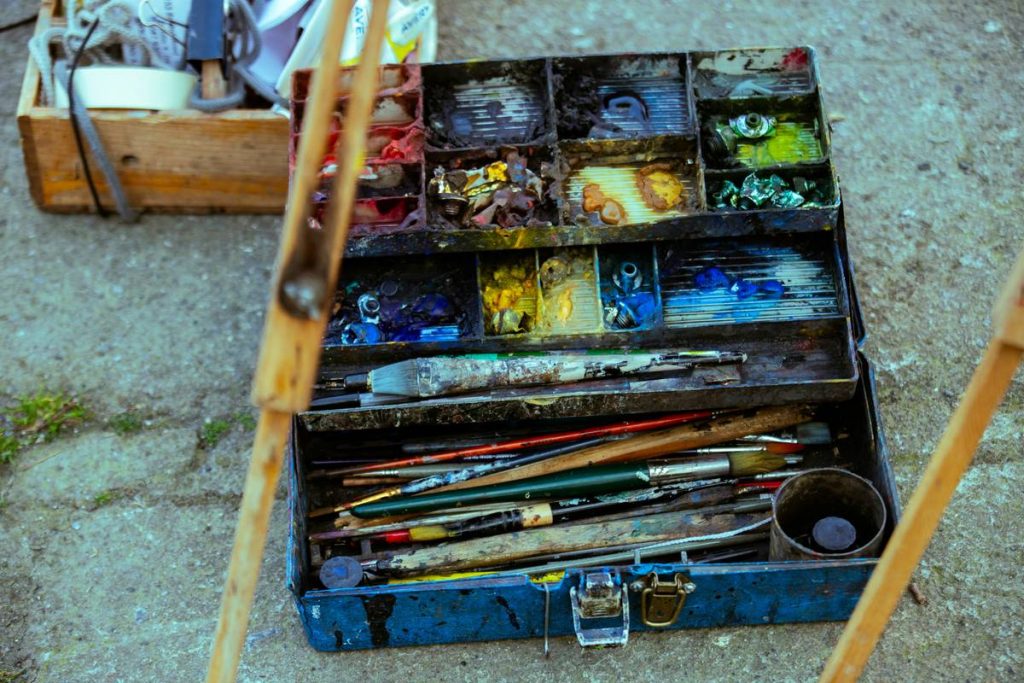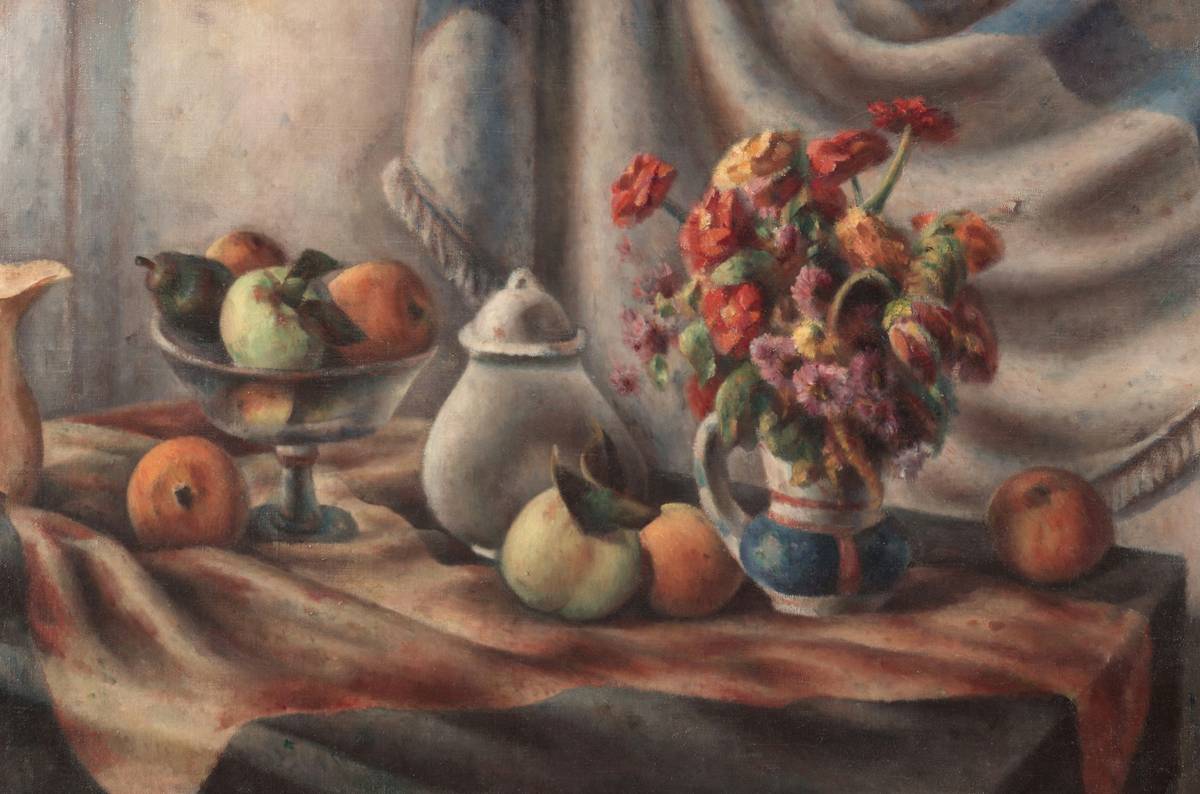
Ever hung a beautiful still life oil painting on your wall only to realize it clashed with your throw pillows—or worse, made the whole room feel dated? You’re not alone. As someone who once spent $300 on a “vintage-style” still life that turned out to be mass-produced canvas junk (yes, I learned the hard way), I’ve since dedicated years to understanding what truly makes this art form elevate home decor—without breaking the bank or your aesthetic. In this guide, we’ll walk through seven actionable, expert-backed strategies to choose, display, and care for still life oil paintings so they enhance—not hinder—your space.
Table of Contents
- Why Still Life Oil Paintings Matter in Home Decor
- How to Choose and Display Your Still Life Oil Painting
- Best Practices for Longevity and Impact
- Real-World Results from Thoughtful Art Choices
- Frequently Asked Questions
Key Takeaways
- Avoid mass-market “faux oil” prints—they lack texture and authenticity.
- Match your painting’s dominant undertones (warm vs. cool) to your room’s lighting.
- Size matters: a small painting gets lost above a sofa; a large one overwhelms narrow hallways.
- Proper lighting can increase perceived value by up to 40% (according to the American Society of Interior Designers).
- Always verify artist provenance if buying original work—ask for documentation.
Why Still Life Oil Paintings Matter in Home Decor
In the realm of Home Improvement, especially within Home Decor & Accessories, art isn’t just decoration—it’s emotional architecture. A well-chosen still life oil painting adds depth, narrative, and timeless sophistication. Unlike digital prints or flat posters, oil paintings offer rich texture, luminous glazes, and subtle brushwork that interact dynamically with natural light throughout the day.
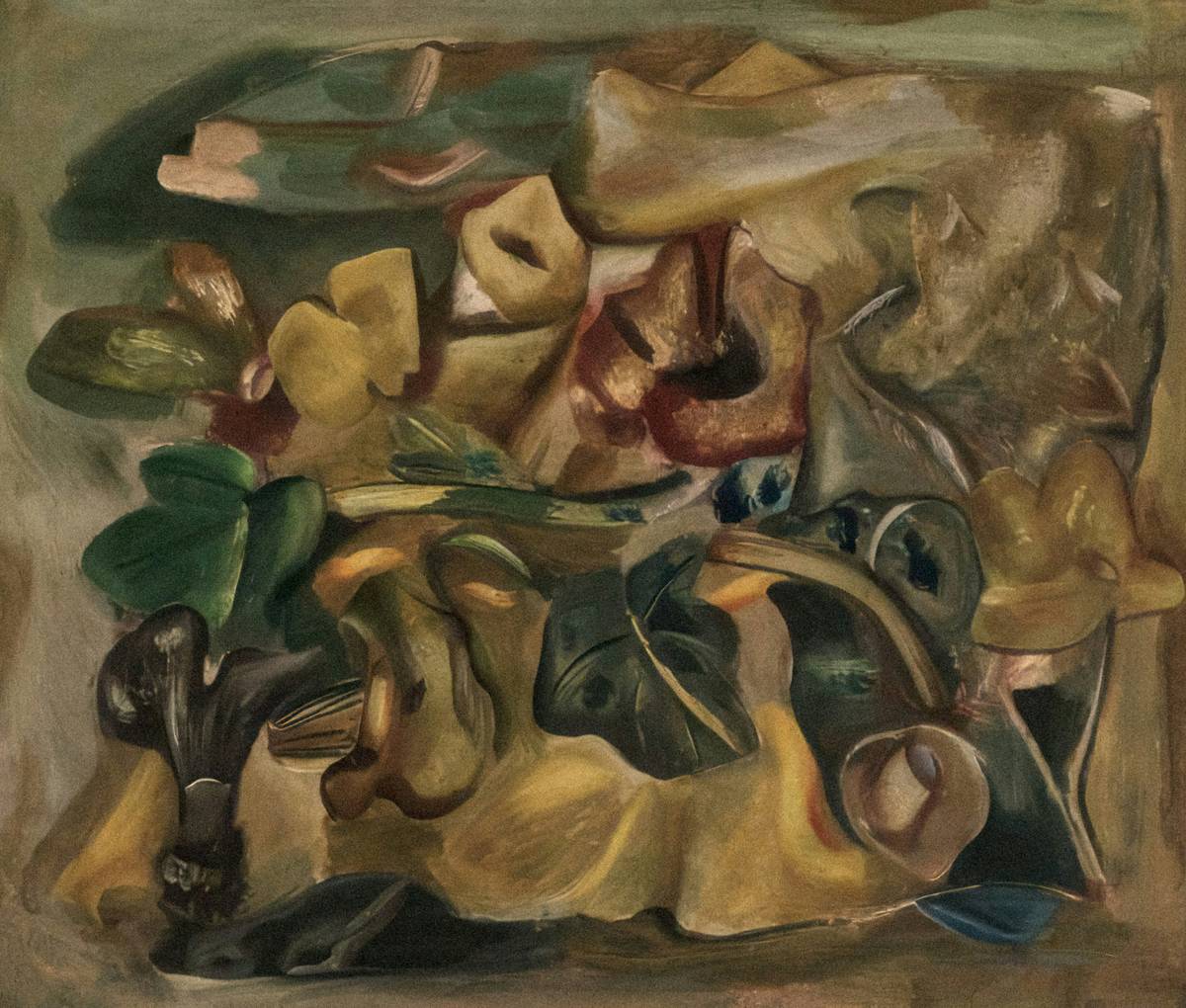
Yet many homeowners treat art as an afterthought—slapping up whatever fits the empty wall. I did exactly that in my first apartment: bought a cheap “oil” painting online that smelled like plastic and flaked under sunlight. Lesson learned? Authenticity affects both aesthetics and longevity. According to the WikiArt Foundation, still life as a genre dates back to ancient Rome but peaked during the Dutch Golden Age, where objects symbolized transience, abundance, or moral lessons. Today, these symbolic layers can add quiet intentionality to modern interiors—if chosen wisely.
How to Choose and Display Your Still Life Oil Painting
Pick Based on Palette, Not Just Subject
Love lemons and wine bottles? Great—but if your living room runs cool gray and blue, a warm-toned citrus still life will fight the ambiance. Instead, pull a color swatch from your rug or curtains and find a painting where at least one hue matches.
Mind the Scale
As a rule: the painting should occupy two-thirds to three-quarters of your furniture’s width below it. Too small? It looks orphaned. Too large? It dominates like a billboard.
Hang at Eye Level—But Adjust for Seating
The center of the artwork should be 57–60 inches from the floor. However, if it’s above a couch you often sit on, lower it slightly so you view it straight-on while lounging.
Best Practices for Longevity and Impact
- Avoid direct sunlight: UV rays fade pigments and crack varnish over time.
- Dust gently: Use a soft sable brush monthly—never a damp cloth on unvarnished oil paint.
- Frame with conservation-grade materials: Acid-free mats and UV-filtering glass preserve integrity.
- Skip the “matchy-matchy” trap: Your painting doesn’t need to echo your throw pillows—contrast creates intrigue.
And here’s a terrible tip you’ll hear online: “Just buy the biggest painting you can afford.” Nope. A $2,000 oversized piece in a cramped entryway feels oppressive. Context > cost every time.
Real-World Results from Thoughtful Art Choices
A 2023 study by the American Society of Interior Designers (ASID) found that homes featuring authentic, thoughtfully placed artwork sold 18% faster and at 7% higher prices than those with generic decor. One case: a client replaced a bland floral print with a modest-sized still life oil painting of antique books and brass compasses. The warm ochres echoed her hardwood floors, and the intellectual theme complemented her home office. Appraisers later noted it as a “curated detail” that elevated perceived craftsmanship.
At Ideas’n’Stuff, we believe art should tell your story—not just fill a void. Learn more about our philosophy on intentional design in our About Us section.
Frequently Asked Questions
Are all still life oil paintings expensive?
No. Emerging artists often sell originals for under $200. Look on platforms like Saatchi Art or local studio tours. Avoid Amazon listings labeled “hand-painted” without artist info—they’re usually factory-made.
Can I clean an old still life oil painting myself?
Only surface dust. Never use water, alcohol, or household cleaners—they strip protective varnish. For deeper cleaning, consult a conservator certified by the American Institute for Conservation.
What’s the best room for a still life oil painting?
Dining rooms and studies shine with this genre—their contemplative nature suits meals and reading. Avoid humid spaces like bathrooms.
How do I verify if a painting is real oil?
Check for raised brushstrokes under raking light. Acrylics dry flat; oils have dimension. Smell can also hint—real oil has a faint linseed scent when new.
Ready to transform your space with purposeful art? We’d love to hear your vision—contact us for personalized guidance. And rest assured, your data stays secure; see our full Privacy Policy for details.
After all, a still life oil painting isn’t just pigment on canvas—it’s a silent guest at your dinner table, a quiet witness to your mornings, and a legacy in the making. Choose slowly. Live deeply.