Have you ever hung a painting only to realize it clashes with your entire living room vibe? You’re not alone. As someone who once mismatched a vibrant citrus still life with moody charcoal walls (yes, it looked like a fruit stand exploded in a storm), I’ve learned that choosing the right still life fruit wall art isn’t just about aesthetics—it’s about harmony, scale, and intention. In this guide, we’ll walk through exactly how to select, place, and style fruit-themed still life paintings that elevate your space without breaking the bank or your design confidence.
Table of Contents
- Why Still Life Fruit Wall Art Matters in Home Decor
- Step-by-Step Guide to Choosing & Hanging Your Piece
- 7 Best Practices for Styling Still Life Paintings
- Real-World Examples That Work
- FAQs About Still Life Fruit Wall Art
Key Takeaways
- Match your artwork’s color palette to existing decor—not the other way around.
- Scale matters: oversized art overwhelms small rooms; tiny pieces get lost on large walls.
- Lighting dramatically affects how fruit tones appear—natural light is ideal.
- Avoid cheap reproductions that fade quickly; invest in archival-quality prints.
- Use still life fruit wall art to add warmth, not visual chaos.
Why Still Life Fruit Wall Art Matters in Home Decor
In home improvement, wall art often plays second fiddle to furniture or paint—but it’s actually one of the most impactful finishing touches. Still life fruit wall art, specifically, brings organic texture, seasonal warmth, and timeless elegance to any room. According to the American Society of Interior Designers, 68% of homeowners report feeling more “at ease” in spaces featuring natural motifs like fruit, foliage, or florals.
Yet, many buyers make snap decisions based on price or trend, only to regret mismatched tones or poor craftsmanship. I once bought a bargain-bin lemon still life online—only to find the yellows turned muddy brown within six months due to non-archival inks. Lesson learned: authenticity and quality aren’t luxuries; they’re necessities.
Step-by-Step Guide to Choosing & Hanging Your Piece
1. Assess Your Room’s Color Palette
Pull out fabric swatches, pillow covers, or even a photo of your space. Identify dominant and accent colors. If your sofa is olive green and your rug has burnt orange undertones, look for still life fruit wall art that echoes those hues—think russet apples or terracotta-toned peaches.
2. Measure Twice, Buy Once
A common error? Choosing art that’s too small. The general rule: your artwork should occupy ⅔ to ¾ the width of the furniture below it. For a 72-inch console, aim for a piece between 48–54 inches wide.
3. Prioritize Lighting Conditions
Place potential art in the actual spot for 24 hours if possible. Observe how morning vs. evening light alters the fruit’s vibrancy. North-facing rooms benefit from warmer-toned fruits (oranges, reds); south-facing spaces can handle cooler lemons or green grapes.
4. Verify Print Quality
Look for terms like “giclée print,” “acid-free paper,” or “UV-resistant inks.” Reputable vendors like the Metropolitan Museum of Art’s Open Access collection offer museum-grade reproductions you can trust.
7 Best Practices for Styling Still Life Paintings
- Frame It Right: A thin black frame modernizes classical fruit bowls; ornate gold suits traditional interiors.
- Group Thoughtfully: If creating a gallery wall, keep all fruit art within the same color family to avoid visual noise.
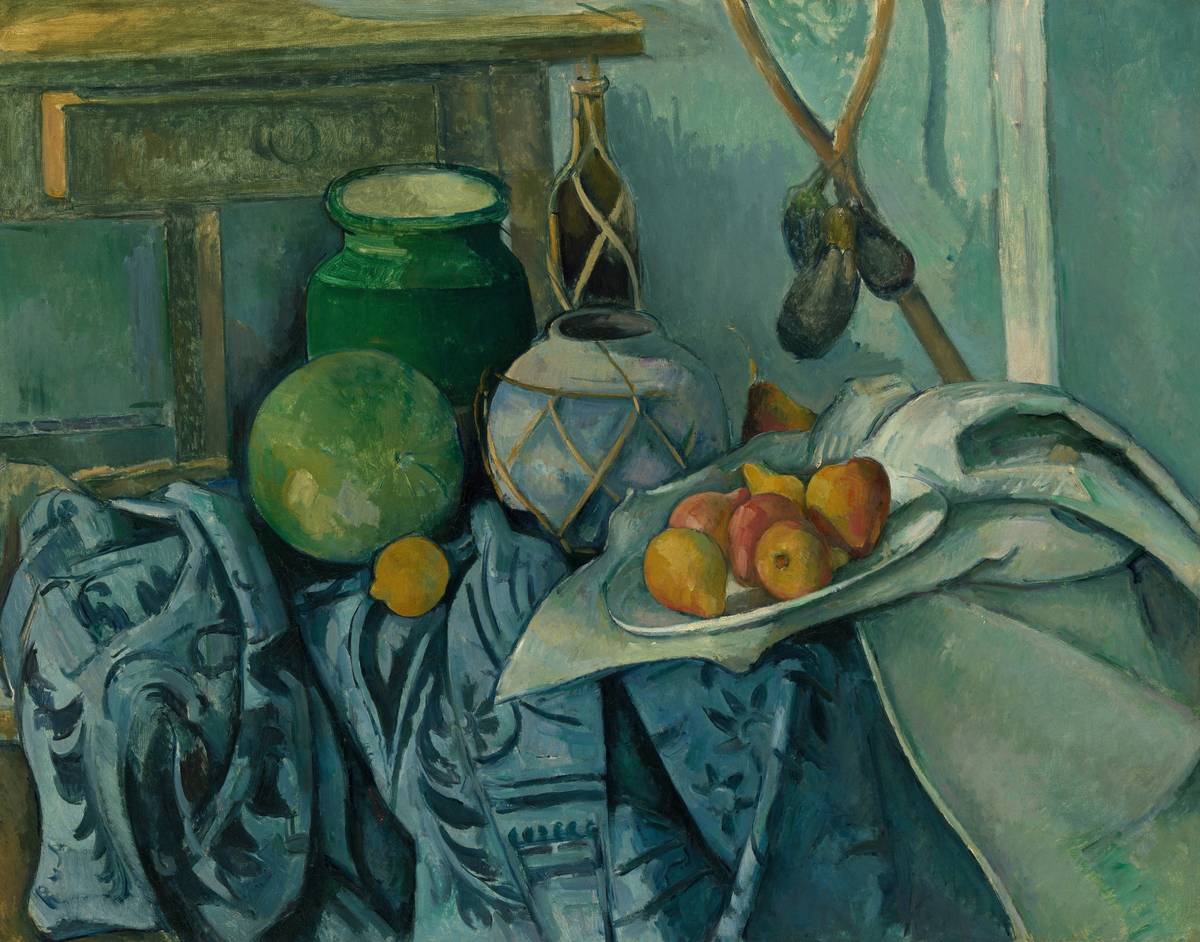
- Don’t Overthink Realism: Stylized or abstract fruit interpretations (like those by Cézanne, whose works are studied for their compositional balance at The Getty) can feel fresher than hyper-realistic versions.
- Avoid the Centerpiece Trap: Never hang art so it competes with your TV or fireplace—let it complement, not dominate.
- Mind the Height: Hang the center of the piece at eye level (typically 57–60 inches from the floor).
- Rotate Seasonally: Swap summer citrus scenes for autumnal figs or pomegranates to keep your space feeling current.
- Beware the “Cheap Repro” Pitfall: This is a terrible tip I once followed: “Just buy the $15 Amazon special!” Save yourself the repaint-and-rehang hassle—invest in quality once.
Real-World Examples That Work
A client in Portland transformed her dull hallway by installing a trio of coordinated still life fruit wall art prints—each featuring a single fruit (apple, pear, lemon) in minimalist watercolor. Using consistent white frames and centered placement, the result felt curated, not cluttered. Post-installation, she reported guests now “pause and smile” when entering—a small win with big emotional ROI.
Another success story: a Brooklyn kitchen nook went from sterile to inviting after adding a vintage-inspired grape-and-wine still life above the breakfast bench. The deep purples echoed the homeowner’s linen napkins, creating subconscious cohesion. These examples prove that strategic use of still life fruit wall art delivers both aesthetic polish and psychological comfort.
FAQs About Still Life Fruit Wall Art
What rooms work best for fruit-themed wall art?
Kitchens, dining areas, breakfast nooks, and hallways are ideal—they naturally align with food and hospitality themes. Avoid bedrooms if the fruit imagery feels too “energetic” for your relaxation zone.
Are oil paintings better than prints for still life fruit art?
Not necessarily. High-resolution giclée prints on canvas can mimic oil texture beautifully and cost far less. What matters is pigment quality and substrate durability—not the medium name.
How do I clean dust off my framed still life fruit wall art?
Use a soft microfiber cloth. Never spray cleaners directly on glass or canvas. For deep cleaning, consult a professional—especially for original works. Learn more about art preservation via our About Us page, where we detail our curatorial standards.
Can I mix fruit art with floral or landscape pieces?
Yes—but limit fruit to 60% of the grouping to maintain thematic focus. Too much variety dilutes impact. And remember: your Privacy Policy ensures your browsing data stays yours when exploring our recommendations.
Where can I find affordable, high-quality options?
Check museum shops (like MoMA or the Met), Etsy artisans using archival materials, or curated marketplaces. Always read seller reviews for color accuracy claims.
Does still life fruit wall art increase home value?
Not directly—but staged homes with cohesive, tasteful art sell faster, per National Association of Realtors data. Think of it as part of your “first impression” toolkit.
Ready to refresh your walls with intention—not impulse? Explore our handpicked selections or contact us for a personalized consultation. Because your home deserves art that doesn’t just hang… it belongs.
Final thought: A bowl of fruit fades. But on the wall? It ripens forever.