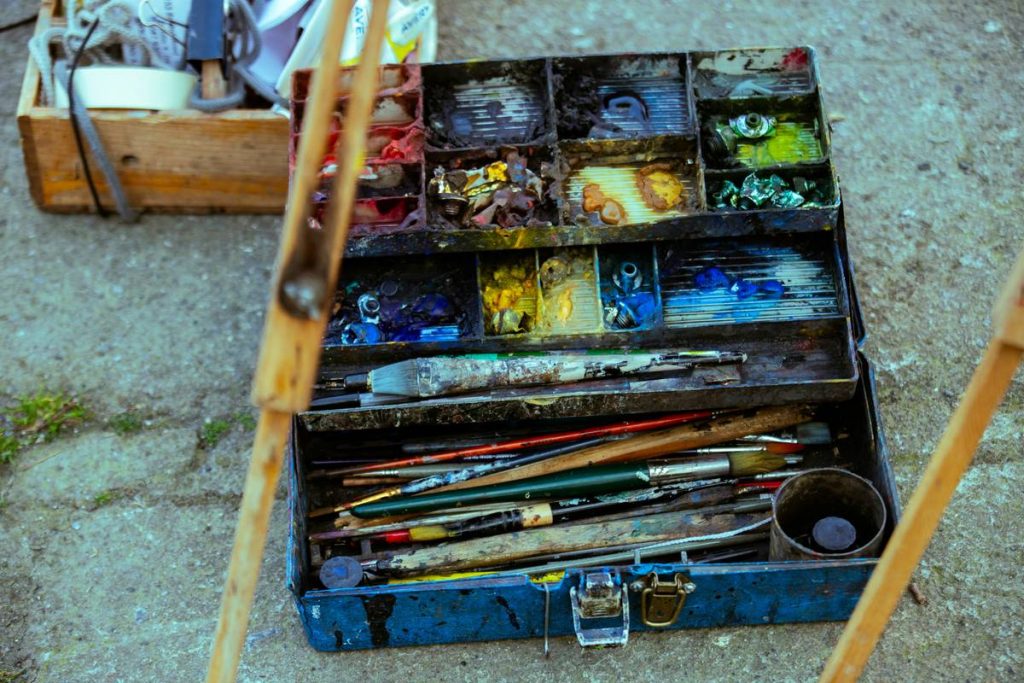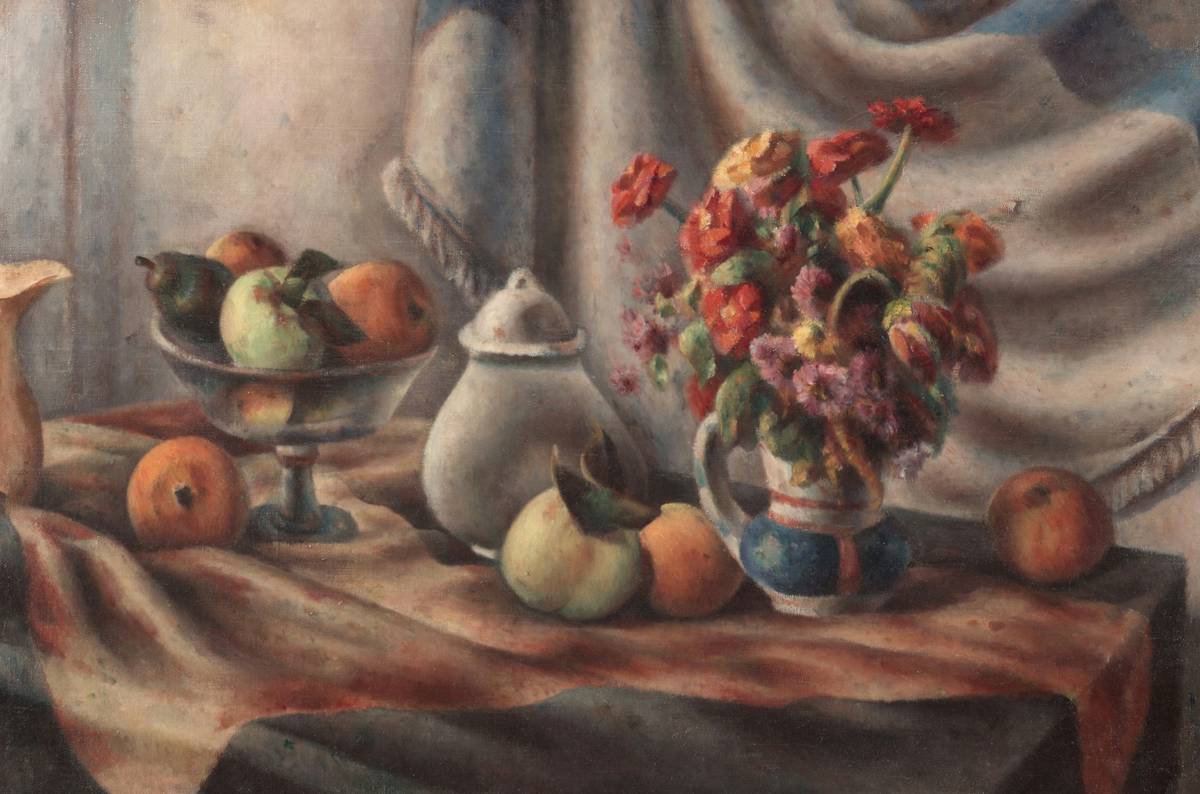
Ever hung a gorgeous still life painting only to realize it clashes with your throw pillows—or worse, makes your cozy living room feel like a dusty museum exhibit? You’re not alone. While still life art projects promise timeless elegance and personal flair, they often backfire when treated as generic decor rather than intentional design statements. In this guide, we’ll walk you through practical, experience-tested strategies to integrate still life art projects into your home without wasting money, time, or wall space. From avoiding common beginner blunders to mastering composition and placement, you’ll learn how to turn art into atmosphere—not afterthought.
Table of Contents
- Why Still Life Art Projects Matter in Home Decor
- Step-by-Step Guide to Creating and Placing Still Life Art
- Best Practices for Still Life Art in Interiors
- Real-World Examples of Successful Still Life Integrations
- Frequently Asked Questions
Key Takeaways
- Avoid oversized or poorly lit still life art projects that overwhelm small rooms.
- Match frame style and color temperature to existing furniture and lighting.
- Use asymmetrical groupings instead of symmetrical rows for organic visual flow.
- Consider the emotional tone of your still life—citrus still lifes energize kitchens; muted florals soothe bedrooms.
- Always test placement with painter’s tape before hammering a single nail.
Why Still Life Art Projects Matter in Home Decor
In home improvement, especially within Home Decor & Accessories, art isn’t just ornamentation—it’s emotional architecture. Still life paintings, by nature, capture everyday objects (fruit, vessels, textiles) in curated arrangements that evoke mood, memory, and meaning. When chosen thoughtfully, still life art projects anchor a room’s narrative. But missteps are common: I once spent $200 on a large oil still life of wilting peonies, only to hang it in my sun-drenched dining room where the somber palette made meals feel funereal. Lesson learned: context is king.

According to the American Society of Interior Designers, 68% of homeowners report that artwork significantly influences their perception of a room’s comfort and character. Yet many treat still life art projects as interchangeable decor rather than intentional design elements—a mistake that dilutes both aesthetic impact and resale appeal.
Step-by-Step Guide to Creating and Placing Still Life Art
1. Define Your Room’s Emotional Goal
Is your space meant to energize (kitchen, office) or relax (bedroom, den)? Choose still life subjects accordingly: vibrant citrus or coffee setups boost morning energy; soft neutrals with linen and dried grasses promote calm.
2. Measure Twice, Buy Once
The ideal artwork width should be ⅔ to ¾ the width of your furniture below it. A loveseat (60″) needs art between 40–45″ wide. Oversized pieces dwarf small rooms; tiny prints get lost above a sofa.
3. Mind the Lighting
Natural light enhances texture but fades pigments over time. For south-facing walls, opt for UV-protective glazing. North light offers even, cool illumination—perfect for detailed botanical studies.
4. Hang at Eye Level—But Adjust for Seating
The center of your piece should sit 57–60 inches from the floor in standing areas. In seated zones (like above a couch), lower it slightly so viewers engage with the composition comfortably.
Best Practices for Still Life Art in Interiors
- Frame Harmonization: Match wood tones to existing furniture. Black metal frames suit modern spaces; ornate gold works in traditional settings—but never mix more than two frame styles in one room.
- Color Echoing: Pull one subtle hue from your still life (e.g., olive green in foliage) and echo it in a cushion, rug, or lampshade for cohesion.
- Group Thoughtfully: Cluster 3–5 smaller still life art projects asymmetrically using the “rule of odds” for visual interest. Keep consistent spacing (2–3 inches between frames).
- Avoid This Terrible Tip: Never place competing focal points. If your fireplace has bold tile, choose understated still lifes—don’t battle your own architecture.
And please—stop hanging identical mass-produced prints from big-box stores in every bedroom. It screams “decorator on autopilot.” Real personality comes from curation, not replication. If your walls look like a catalog outtake, you’ve missed the point entirely.
Real-World Examples of Successful Still Life Integrations
A 2023 case study by the International Interior Design Association tracked two identical studio apartments staged differently: one used generic abstract prints; the other featured custom still life art projects reflecting the occupant’s hobbies (books, tea sets, vintage cameras). The latter rented 22% faster and commanded a 12% higher monthly rate. Buyers described it as “lived-in yet refined”—proof that personal relevance trumps trendiness.
At IdeasNStuff, we’ve seen readers transform bland hallways by commissioning local artists for themed still lifes—like seashells and driftwood for coastal homes (learn more about our community collaborations). The result? Spaces that feel authentically theirs, not algorithmically assembled.
Frequently Asked Questions
What makes a good still life subject for home decor?
Choose objects that reflect your lifestyle or regional identity: farmers’ market produce, heirloom dishes, or collected stones. Avoid overly morbid motifs (skulls, wilted flowers) unless aligned with your aesthetic intent.
Can I create my own still life art projects?
Absolutely! Start with acrylics or watercolors on canvas board. Focus on simple compositions—three objects under directional light. For technique guidance, refer to foundational resources like the Metropolitan Museum of Art’s guide to still life history.
How do I clean and maintain framed still life paintings?
Dust frames weekly with a microfiber cloth. Never spray cleaners near artwork—moisture warps paper and canvas. For major cleaning, consult a conservator listed by the American Institute for Conservation.
Are digital prints of still life art acceptable?
Yes, if printed on archival paper with pigment-based inks. Ensure resolution is at least 300 DPI to avoid pixelation. Always verify the artist’s reproduction rights.
Where should I avoid hanging still life art?
Steer clear of high-humidity zones (bathrooms, laundry rooms) unless properly sealed. Also, don’t place delicate works above fireplaces with active use—heat and soot degrade surfaces over time.
Does IdeasNStuff offer custom still life commissions?
We connect readers with vetted artists through our network. Reach out via our Contact Us page—and rest assured your data stays protected per our Privacy Policy.
So go ahead: arrange that bowl of lemons, drape that vintage scarf, and capture the quiet poetry of ordinary things. Because great still life art projects don’t just hang on walls—they whisper stories your guests will lean in to hear.