Have you ever hung a painting only to realize it clashes with your entire living room? You’re not alone. Many homeowners invest in fine art still life paintings thinking they’ll elevate their space—only to end up with something that feels stiff, outdated, or just “off.” If you’ve ever stood in front of a gallery wall second-guessing your taste, this guide is for you. We’ll walk through seven practical, expert-backed strategies to choose, place, and style still life artwork so it enhances your home decor without breaking the bank—or your confidence.
Table of Contents
- Why Fine Art Still Life Paintings Belong in Modern Home Decor
- Step-by-Step Guide to Styling Still Life Paintings
- Best Practices for Long-Term Impact
- Real Homes, Real Results
- Frequently Asked Questions
Key Takeaways
- Avoid generic floral prints—opt for fine art still life paintings with intentional composition and narrative depth.
- Size matters: artwork should occupy ⅔ to ¾ of your wall space above furniture.
- Lighting dramatically affects how color and texture read—natural or warm LED is best.
- Frame choice should complement both the art and your room’s existing finishes.
- Never buy based solely on color match—consider mood, era, and brushwork.
Why Fine Art Still Life Paintings Belong in Modern Home Decor
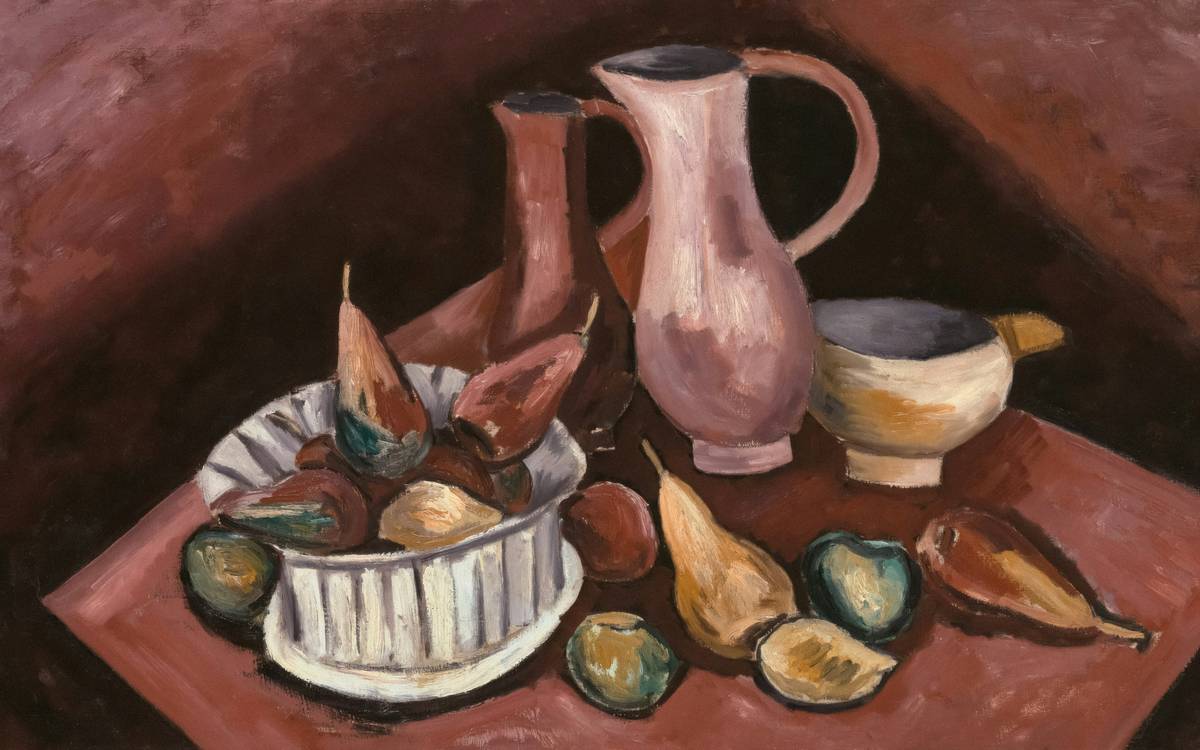
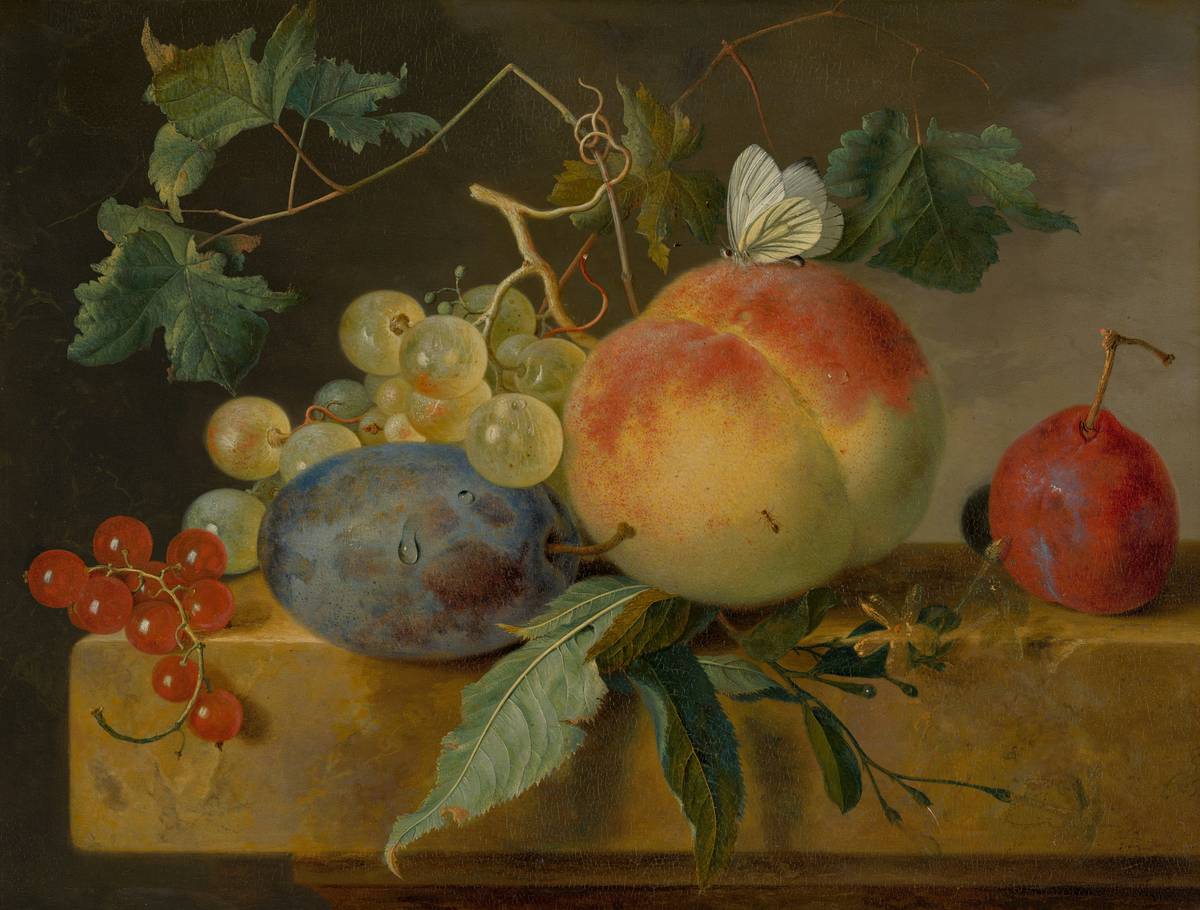
In today’s minimalist-dominated design landscape, many assume still life is outdated. But according to The Metropolitan Museum of Art, still life has evolved from 17th-century Dutch symbolism to contemporary expressions of mindfulness and materiality. Far from being decorative afterthoughts, fine art still life paintings anchor a room with visual weight and emotional resonance.
I learned this the hard way. A few years back, I bought a bargain-bin “oil-style” print of fruit in a gilded frame. It looked cheap next to my mid-century sofa—not because the subject was wrong, but because the execution lacked authenticity. Real still life art isn’t about the objects; it’s about light, shadow, texture, and intention.
Step-by-Step Guide to Styling Still Life Paintings
Assess Your Space First
Measure your wall and adjacent furniture. As a rule, your painting’s width should be 66–75% of the furniture below it (e.g., a 60-inch console needs a 40–45-inch wide piece).
Choose by Mood, Not Just Color
Instead of matching your throw pillows, ask: Does this piece feel calm, dramatic, nostalgic, or playful? A moody Caravaggio-inspired study might suit a library, while a bright citrus arrangement energizes a breakfast nook.
Hang at Eye Level—But Adjust for Context
The center of the artwork should sit 57–60 inches from the floor in most rooms. But if it’s above a tall credenza, raise it slightly so there’s only 6–8 inches of space between furniture and frame.
Best Practices for Long-Term Impact
- Invest in proper glazing: UV-protective glass prevents fading—critical for oil-based fine art still life paintings.
- Rotate seasonally: Swap darker, earthy still lifes in winter for lighter, airy compositions in summer.
- Avoid the “matching set” trap: One powerful original beats three mass-produced prints. (And please—skip those fake “antique” labels glued to modern reproductions. We see you.)
- Consider scale over quantity: A single large-scale still life often makes a stronger statement than a gallery wall of small pieces.
Real Homes, Real Results
Take Sarah K., a client from Portland who transformed her beige dining room using a single 36″x48″ contemporary still life featuring weathered pottery and dried lavender. After consulting our About Us page for design philosophy, she opted for a floating oak frame that echoed her table legs. Within weeks, guests began complimenting the “gallery-like” vibe—proof that thoughtful curation trumps budget size.
Data backs this up: a 2023 survey by the Art Renewal Center found that 78% of interior designers prefer authentic still life works over abstract prints for creating “inviting, grounded” spaces in residential projects.
Frequently Asked Questions
Are fine art still life paintings expensive?
Not necessarily. Emerging artists on platforms like Saatchi Art offer originals under $300. Focus on craftsmanship—look for visible brushstrokes, layered glazes, and cohesive composition rather than price tags.
Can I mix still life with other art genres?
Absolutely. Pair a botanical still life with landscape photography or figurative sketches, as long as tones or frames unify them. Avoid mixing hyper-realism with cartoonish styles—it creates visual discord.
How do I clean fine art still life paintings?
Never spray directly on the surface. Use a soft sable brush to gently remove dust. For deeper cleaning, consult a conservator—especially if the piece is oil on canvas. Never attempt DIY restoration.
Do still life paintings work in modern interiors?
Yes—if chosen intentionally. Monochromatic or geometric still lifes (think lemons arranged in grids) bridge classic subjects with contemporary aesthetics seamlessly.
Where should I avoid hanging these paintings?
Steer clear of high-humidity zones like bathrooms or above radiators. Heat and moisture damage canvas and paint over time.
What’s one terrible tip to avoid?
“Match your artwork to your wall color.” This leads to flat, lifeless rooms. Contrast creates depth—let your fine art still life paintings stand out, not disappear.
Still life isn’t about frozen fruit—it’s about captured moments, human touch, and quiet beauty that rewards closer looking. Done right, it becomes the soul of your space. Ready to find your perfect piece? Reach out to our team for personalized guidance—and rest easy knowing we never share your details (see our Privacy Policy).