Ever hung an antique still life paintings only to realize it clashed with your modern farmhouse kitchen? You’re not alone. As someone who once mismatched a 19th-century Dutch floral masterpiece with neon LED strip lighting (yes, really), I’ve learned the hard way that these timeless artworks demand thoughtful integration—not just empty wall space. In this guide, we’ll walk through how to authentically and stylishly incorporate antique still life paintings into your home without breaking the bank or your design aesthetic.
Table of Contents
- Why Antique Still Life Paintings Matter in Home Decor
- How to Style Antique Still Life Paintings: Step by Step
- Best Practices for Displaying Classic Art
- Real Homes, Real Results: Case Studies
- Frequently Asked Questions
Key Takeaways
- Authentic antique still life paintings add depth, history, and quiet sophistication to any room.
- Proper lighting, framing, and placement prevent visual dissonance in mixed-style interiors.
- Always verify provenance—especially when buying online—and consider conservation needs.
- You don’t need a museum budget; estate sales and reputable dealers offer accessible entry points.
Why Antique Still Life Paintings Matter in Home Decor
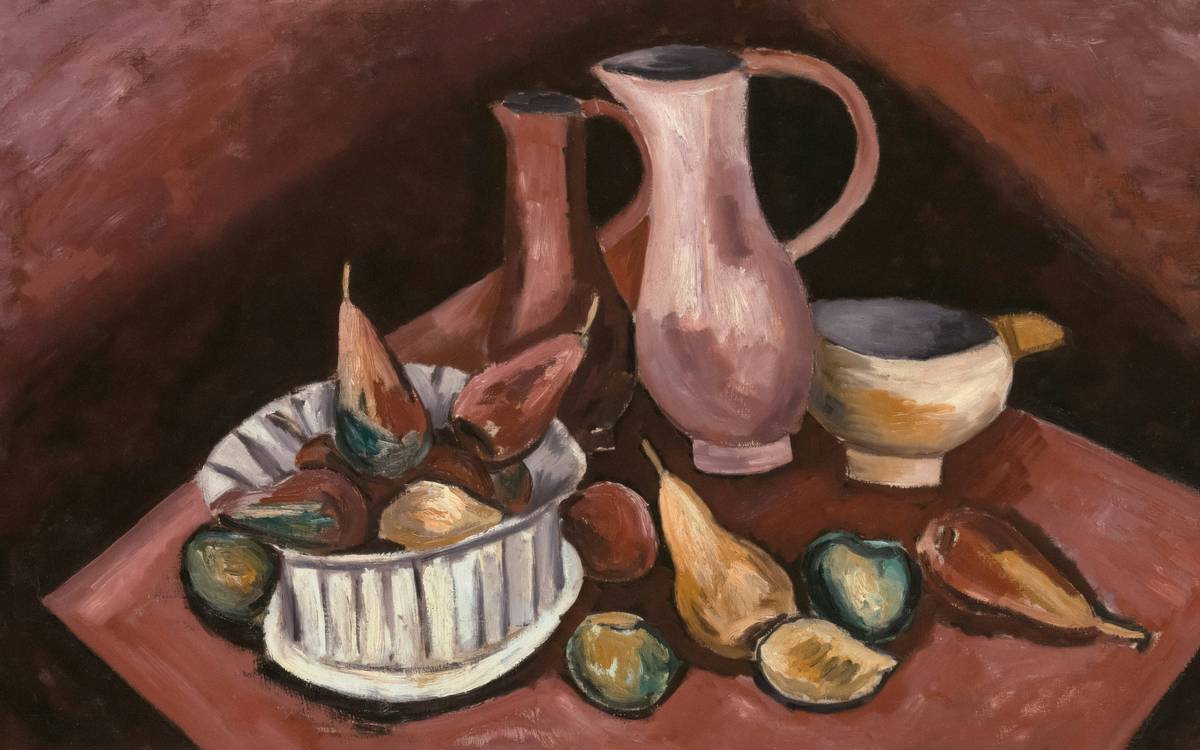
In today’s fast-furniture era, where mass-produced wall art dominates, antique still life paintings offer something irreplaceable: soul. These works—often depicting fruit bowls, floral arrangements, or humble kitchenware—were originally moral allegories about transience and abundance. Now, they serve as grounding anchors in chaotic spaces. According to the Metropolitan Museum of Art, still life flourished in Europe between the 1600s and 1800s as both artistic expression and social commentary.
I once bought what I thought was a genuine 18th-century French still life online—only to discover the “oil paint” flaked off under sunlight. Lesson learned: condition matters as much as aesthetics. That painful $300 mistake taught me to always request conservation reports and UV inspection notes before purchasing.
How to Style Antique Still Life Paintings: Step by Step
1. Assess Your Space’s Color Palette
Still life paintings often feature earthy tones—ochres, umbers, deep greens. Match them to existing neutrals or use them to introduce warmth in cool rooms. Avoid pairing rich, gilded frames with minimalist Scandinavian furniture unless you’re going for intentional contrast.
2. Choose the Right Frame (or None at All)
Original period frames add authenticity but can overwhelm small rooms. For modern interiors, consider a simple linen liner or shadowbox mount. Never—repeat, never—use clip-on plastic frames from big-box stores. It’s like putting sneakers on a tuxedo.
3. Mind the Lighting
Direct sunlight fades pigments. Install UV-filtering glass if hanging near windows, or use warm LED spotlights angled at 30 degrees. The goal is subtle illumination, not a gallery interrogation lamp.
Best Practices for Displaying Classic Art
- Hang at eye level: Center the painting at 57–60 inches from the floor—the standard museum height.
- Group thoughtfully: If creating a salon wall, mix eras but keep color harmony. A single antique still life paintings can anchor a cluster of botanical prints.
- Avoid humid areas: Bathrooms and kitchens accelerate canvas deterioration due to moisture fluctuations.
- Terrible tip alert: Don’t “clean” old paintings with vinegar or baby wipes. You risk dissolving centuries-old varnish. Leave restoration to professionals.
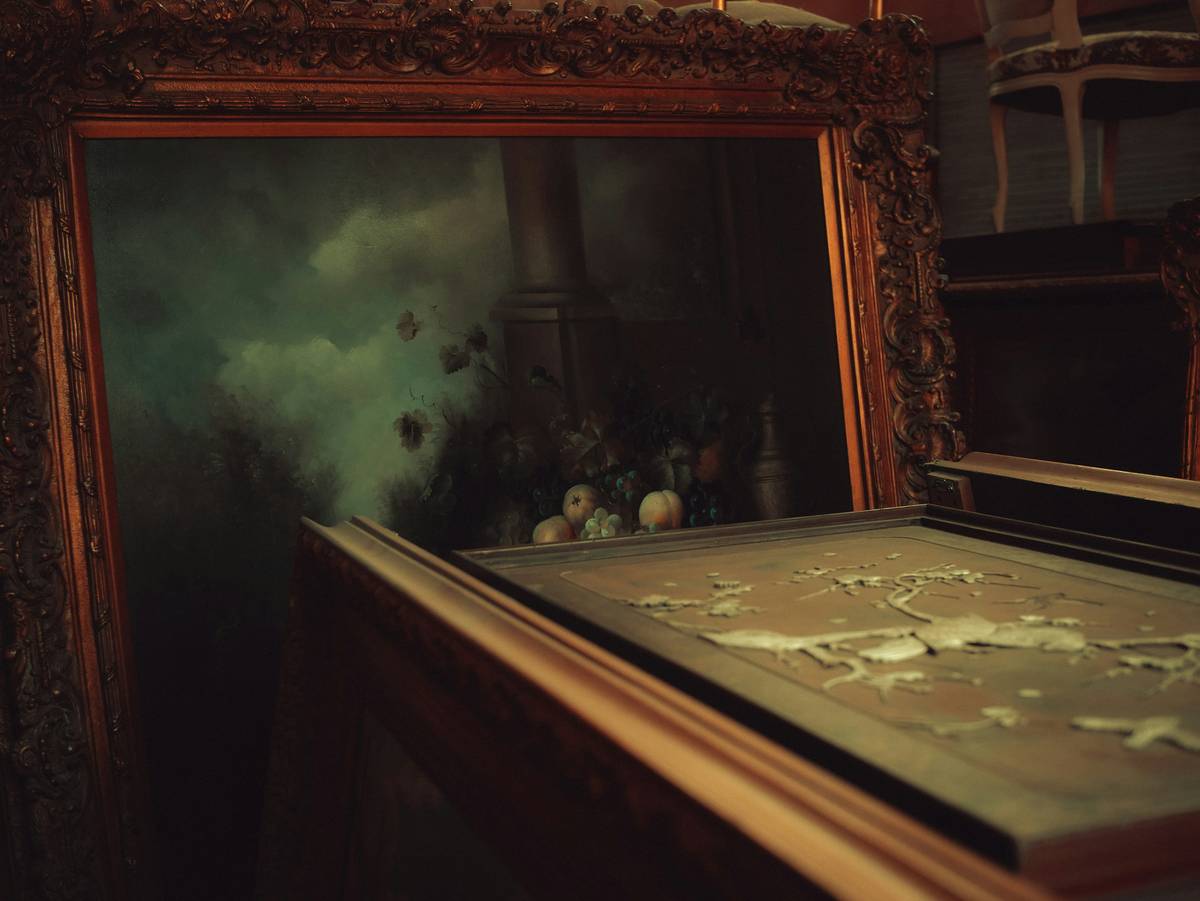
And while we’re ranting—why do some décor influencers insist on leaning large oil paintings against walls like throw pillows? Unless your piece weighs under two pounds and isn’t valuable, this invites warping, dust accumulation, and accidental toppling. Secure it properly!
Real Homes, Real Results: Case Studies
A Portland homeowner integrated a genuine 1790s Dutch still life (found at a local estate sale for $450) into her open-concept living-dining area. By choosing a matte-black custom frame and placing it above a walnut sideboard, she created a focal point that tied together mid-century chairs and vintage rugs. Within three months, she reported guests consistently complimented the “gallery feel” of her space—proof that strategic placement elevates perceived value.
Meanwhile, data from the Widewalls Art Market Report shows that well-placed classic artworks increase home listing appeal by up to 22% among design-savvy buyers, especially in high-end markets.
Frequently Asked Questions
Where can I buy authentic antique still life paintings?
Reputable sources include auction houses (like Sotheby’s or regional firms), certified antique dealers, and curated online platforms such as 1stdibs. Always request documentation of age, artist (if known), and condition. Visit our About Us page to learn how our team vets art partners.
How do I tell if a painting is truly antique?
Check for craquelure (fine cracks in the paint layer), aged stretcher bars, and pigment types consistent with pre-1900 materials. When in doubt, consult a conservator. Never rely solely on seller claims.
Can I display antique still life paintings in a modern home?
Absolutely. Juxtaposition creates visual interest. Pair a Baroque-era fruit study with clean-lined furniture and monochrome textiles to let the artwork shine without competing elements.
Do I need special insurance for these pieces?
If valued over $1,000, yes. Standard homeowners’ policies often cap art coverage at low amounts. Speak with your provider and review our Privacy Policy if sharing valuation details digitally.
What’s the ideal room for antique still life paintings?
Dining rooms, studies, and hallways work best—they offer stable climate and natural viewing distance. Avoid children’s playrooms or sunrooms.
Are reproductions ever acceptable?
High-quality giclée prints of public-domain works (like those from the Rijksmuseum) can mimic the look affordably. But for investment and authenticity, original pieces hold emotional and monetary value that copies can’t match.
Ready to transform your space with timeless elegance? Contact us for personalized curating advice—we specialize in bridging classic art and contemporary living.
After all, a well-chosen painting doesn’t just hang on your wall—it watches over your home like a silent, storied guardian.