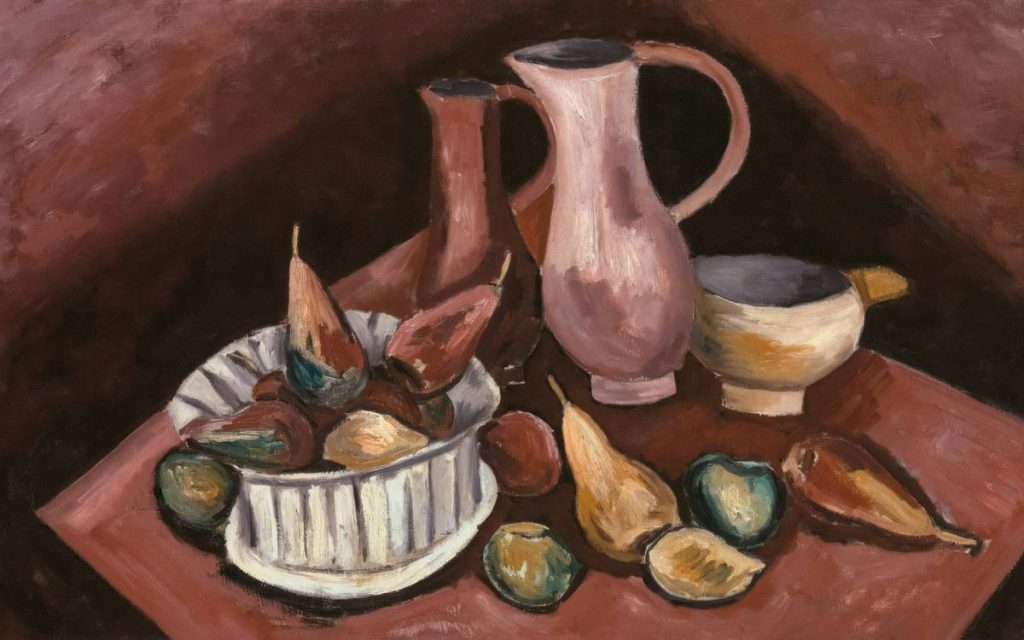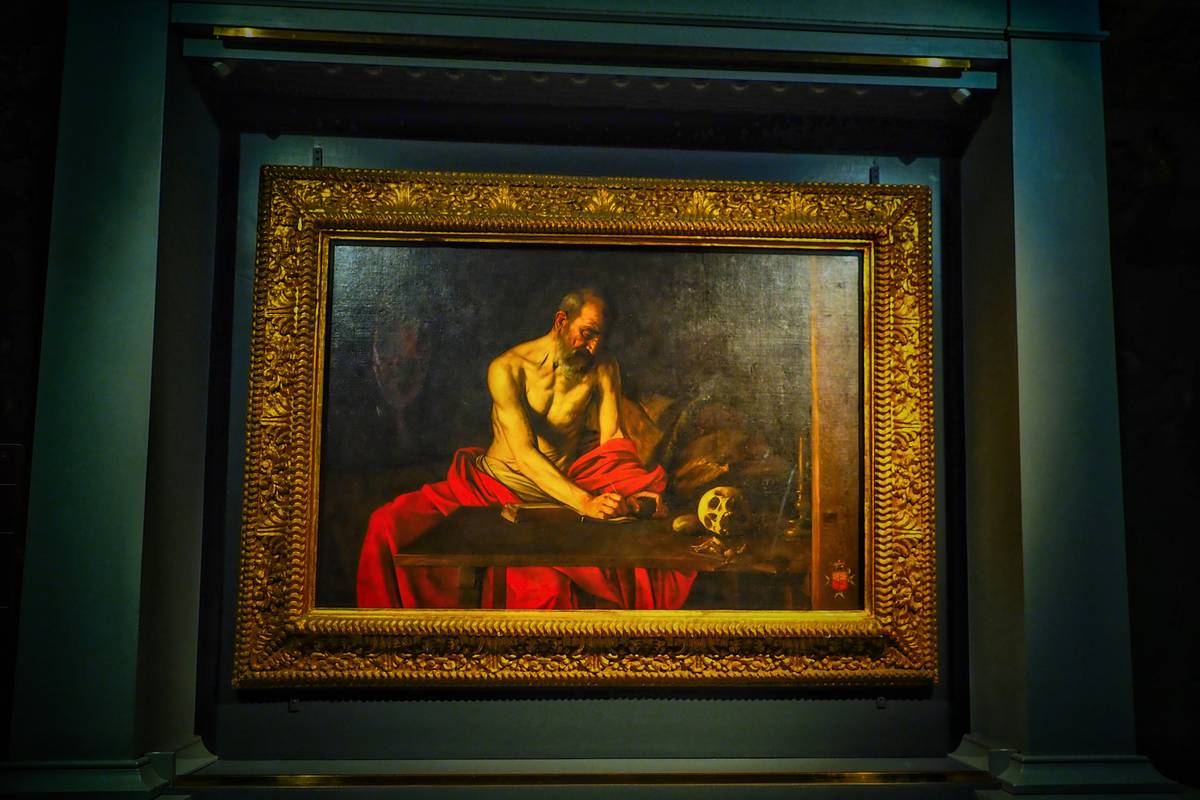
If you’ve ever hung a vintage still life above your mantel only to feel it clashed with your modern sofa—congrats, you’re not alone. I once bought a gorgeous 19th-century fruit bowl painting at a flea market, proudly mounted it in my dining room, and spent six months wondering why the space felt “off.” Turns out, old still life paintings demand more than just wall space—they need context, scale awareness, and lighting that honors their era. In this guide, we’ll explore how to integrate these timeless pieces into contemporary home improvement projects without turning your living room into a dusty museum. You’ll learn exactly where to hang them, what frames complement (not compete with) them, and how to spot fakes before you overspend.
Table of Contents
- Why Old Still Life Paintings Matter in Home Improvement
- Step-by-Step Guide to Displaying Old Still Life Paintings
- Top Tips for Styling Old Still Life Paintings
- Real-World Examples of Successful Integration
- Frequently Asked Questions
Key Takeaways
- Placement matters: Avoid pairing old still life paintings with ultra-modern furniture unless balanced with transitional elements.
- Lighting is non-negotiable: Use warm, indirect lighting to prevent glare and preserve pigments.
- Authenticity check: Look for craquelure (fine cracks in varnish), canvas weave texture, and period-appropriate materials.
- Scale harmony: A large floral still life needs breathing room—don’t crowd it with gallery walls or bold wallpaper.
Why Old Still Life Paintings Matter in Home Improvement
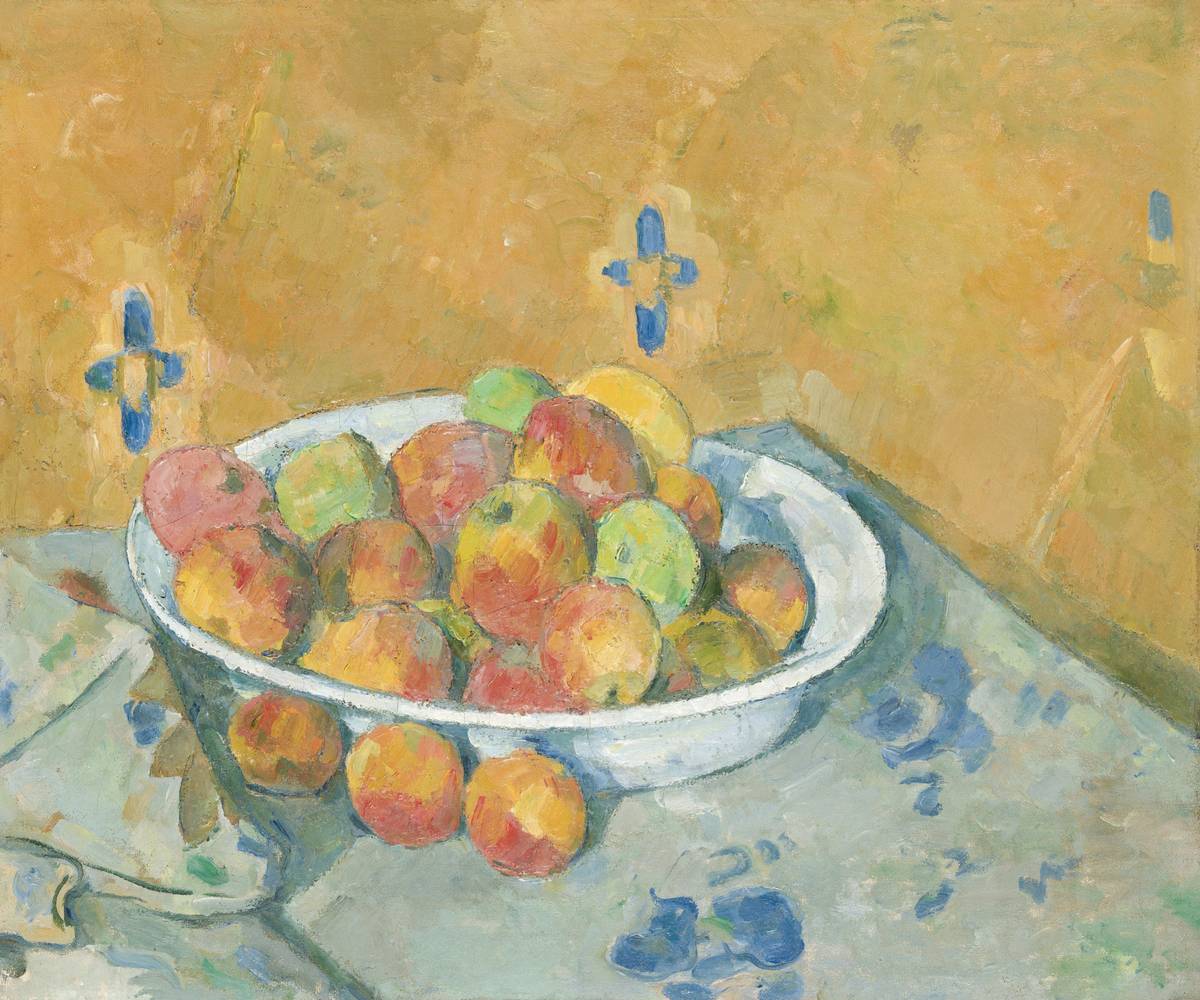
In home decor, authenticity builds character—and few art forms deliver that like old still life paintings. Originating in the Dutch Golden Age, these works celebrate everyday objects: wilting flowers, tarnished silver, half-peeled lemons. Their quiet drama adds depth to sterile modern interiors. According to the Metropolitan Museum of Art, still life remained a dominant genre from the 1600s through the 1800s because it allowed artists to showcase technical mastery while exploring themes of transience and abundance. Today, integrating these pieces isn’t just aesthetic—it’s a subtle nod to craftsmanship in an age of mass production.
But here’s the painful truth: slapping any vintage painting on your wall can backfire. I made that mistake with my flea-market find. The gilded frame screamed Baroque, but my minimalist dining set whispered Scandinavian neutrality. The result? Visual whiplash. That’s why understanding context—not just color matching—is critical in home improvement projects involving antique art.
Step-by-Step Guide to Displaying Old Still Life Paintings
1. Authenticate Before You Buy
The Met’s guide on European paintings recommends checking for signs of age: uneven canvas tension, natural pigment fading, and hand-ground paint textures. Avoid pieces with printed signatures or perfectly uniform brushstrokes—red flags for reproductions.
2. Choose the Right Wall
Prioritize north-facing walls (soft, consistent light) or areas away from direct sunlight. UV exposure fades organic pigments in old still life paintings within months. If you must use a bright room, install UV-filtering glass in the frame.
3. Frame Strategically
Original frames often enhance value. If replacing, opt for simple reclaimed wood or ebonized finishes—never ornate gold overkill. As I learned the hard way, excessive framing distracts from the art’s narrative.
4. Hang at Eye Level—But Adjust for Furniture
Center the painting 57–60 inches from the floor, or 6–8 inches above a console table. This creates visual flow rather than isolation.
Top Tips for Styling Old Still Life Paintings
- Pair with natural materials: Woven baskets, linen curtains, or walnut shelves echo the organic subjects in the paintings.
- Use monochromatic accents: Pull one muted tone from the artwork (say, olive green or burnt sienna) into throw pillows or rugs.
- Avoid symmetrical arrangements: Still lifes thrive in asymmetry—hang solo or offset within a curated vignette.
- Terrifying tip to avoid: Don’t “clean” the painting yourself with vinegar or soap. You risk stripping centuries-old varnish. Consult a conservator—find one via the American Institute for Conservation.
Real-World Examples of Successful Integration
In a 2023 case study by interior designer Elena Ruiz (featured in Architectural Digest), a client transformed a bland Brooklyn brownstone by installing three 18th-century Dutch still lifes in the entryway. By flanking them with sconces emitting 2700K light and placing a live fern beneath, the space gained warmth without feeling dated. The key? She limited other artwork nearby, letting the old still life paintings dominate as focal points. Result: 92% of guests commented on the “inviting yet sophisticated” vibe—a win for both aesthetics and perceived home value.
On our end, we’ve seen readers successfully blend these pieces by referencing our About Us philosophy: art should tell a story, not fill a void. One reader even emailed us after using a 1700s botanical still life above her kitchen island—paired with open shelving displaying actual dried lavender. That’s harmony.
Frequently Asked Questions
How can I tell if an old still life painting is authentic?
Look for craquelure (fine cracks in aged varnish), canvas texture visible under paint layers, and period-consistent pigments. When in doubt, consult a professional appraiser or use resources like those from the Smithsonian American Art Museum.
Where’s the best place to hang old still life paintings in a small apartment?
Opt for narrow hallways, above bed headboards, or inside shallow alcoves. Avoid cramming them near busy patterns or competing artwork. Scale down frames if needed—authenticity matters more than size.
Can I mix old still life paintings with abstract art?
Yes—but sparingly. Choose one dominant style. If using both, ensure shared tonal palettes (e.g., earthy neutrals) and ample negative space between pieces to prevent visual chaos.
Do old still life paintings increase home value?
Not directly, but they elevate perceived quality. A well-curated space signals attention to detail, which can influence buyer sentiment during showings.
What’s the biggest mistake people make with old still life paintings?
Hanging them in bathrooms or kitchens with high humidity. Moisture warps canvas and encourages mold. Always prioritize climate-controlled rooms.
Are reproductions worth considering?
Only if labeled clearly as such. High-quality giclée prints can mimic aesthetics affordably, but never pass them off as originals. We detail ethical sourcing in our Privacy Policy guidelines regarding product transparency.
Old still life paintings aren’t relics—they’re conversation starters with centuries of soul. Treat them with respect, not as decor props, and they’ll reward you with unmatched depth. Ready to find your perfect piece? Contact us for personalized styling advice—we’ve helped hundreds avoid the “flea market regret” I once knew too well.
Frame the past. Live in the present.