If you’ve ever hung a painting only to realize it clashes with your throw pillows—or worse, makes the whole room feel off—you’re not alone. I once bought a dramatic oil still life with dark stormy backgrounds for my sunlit breakfast nook. Within a week, it felt like dining under a thundercloud. That’s when I learned: still life wall art isn’t just decoration—it’s emotional architecture.
In home improvement, especially within home decor and accessories, choosing the right artwork impacts mood, space perception, and even resale value. Unlike abstract pieces that rely on color alone, still life paintings bring narrative, texture, and historical weight. Done right, they elevate a room from “nice” to “curated.” Done wrong? They become expensive clutter. This guide shares hard-won lessons—plus data-backed strategies—to help you select, place, and style still life wall art without regret.
Table of Contents
- Why Still Life Wall Art Matters in Home Improvement
- How to Choose and Hang Still Life Wall Art: Step by Step
- 5 Best Practices for Styling Still Life Art
- Real Results from Still Life Wall Art in Action
- Frequently Asked Questions
Key Takeaways
- Still life wall art should complement your room’s lighting and existing color palette—not dominate it.
- Hang artwork at eye level (typically 57–60 inches from floor to center) for natural visual flow.
- Match frame style to your home’s architectural era for authenticity.
- Avoid overcrowding; one strong piece often beats a gallery wall of mismatched items.
- Use museum-quality resources like The Met’s Open Access collection for inspiration and reference.
Why Still Life Wall Art Matters in Home Improvement
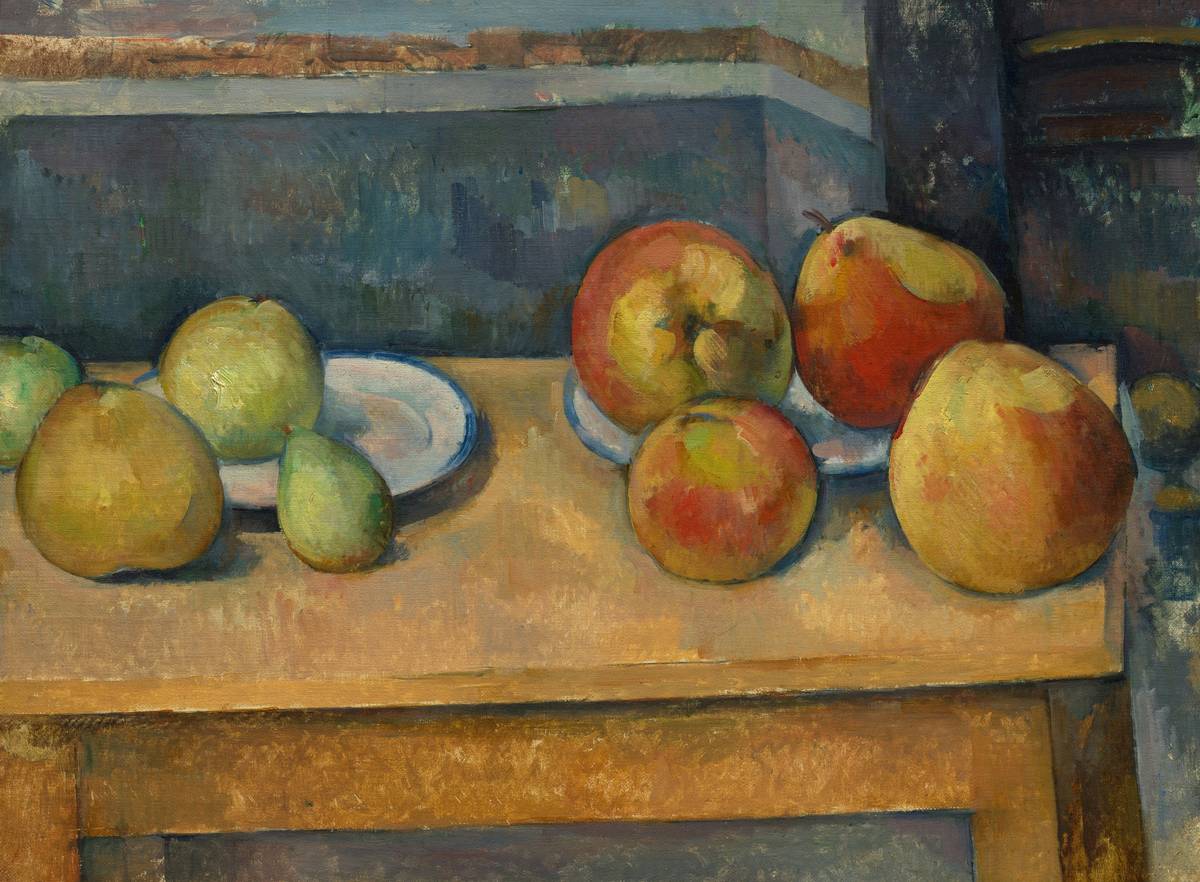
In the world of home decor & accessories, still life wall art serves as a silent storyteller. Unlike landscapes or portraits, still lifes focus on everyday objects—fruit, vases, books, candles—imbuing ordinary moments with meaning. According to The Metropolitan Museum of Art, still life emerged as a distinct genre in the 16th century and has since influenced interior aesthetics across cultures and centuries (The Met, “Still Life Painting”).
Psychologically, these compositions create a sense of calm order. A study published in the Journal of Environmental Psychology found that representational art (like still lifes) reduces stress more effectively than abstract works in domestic settings because viewers can easily interpret the scene (ScienceDirect, 2019).
How to Choose and Hang Still Life Wall Art: Step by Step
Step 1: Assess Your Room’s Light and Color Palette
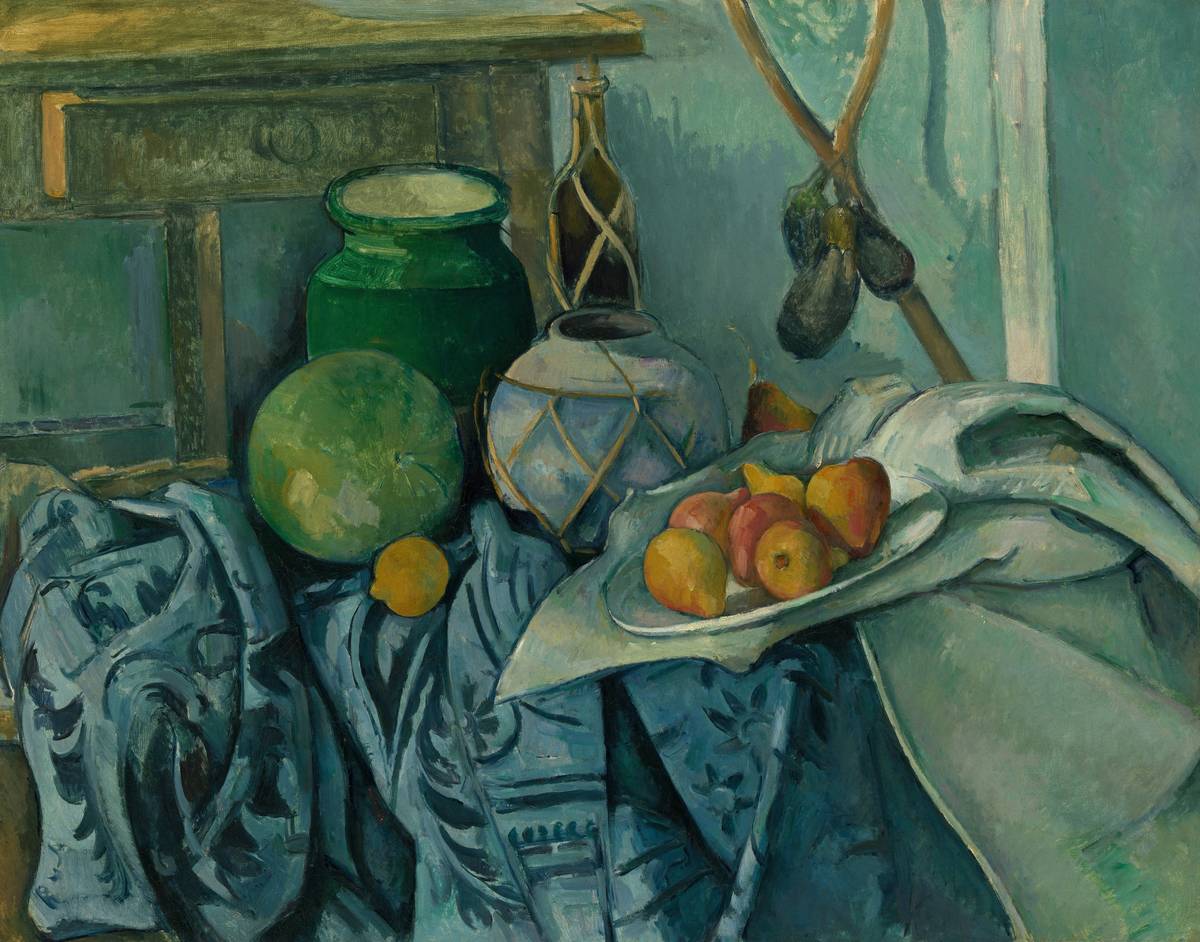
Before buying anything, observe how natural and artificial light changes throughout the day. Cool north-facing rooms benefit from warm-toned still lifes (think golden pears or terracotta pottery). South-facing spaces can handle cooler palettes like silver trays or blue glassware.
Step 2: Measure Your Wall Space
The artwork should occupy ⅔ to ¾ of your furniture width below it (e.g., above a sofa or console). Oversized pieces overwhelm small rooms; tiny ones get lost on large walls.
Step 3: Choose Authentic Frames
Frame choice affects perceived value. Ornate gold frames suit traditional homes; slim black or natural wood fits modern spaces. Never use plastic frames—they scream “discount decor.”
Step 4: Hang at Proper Height
Center the piece 57–60 inches from the floor—the average eye level. If hanging above furniture, leave 6–8 inches of space between the top of the furniture and the bottom of the frame.
5 Best Practices for Styling Still Life Art
- Less is more: One impactful still life wall art piece > three mediocre ones.
- Repeat a color: Pull one hue from the painting into nearby decor (a cushion, rug, or vase) to tie the room together.
- Avoid glare: Never hang opposite windows without UV-protective glass.
- Mind the mood: Dark, moody still lifes work in studies or dining rooms—but avoid them in bedrooms meant for relaxation.
- Rotate seasonally: Swap out autumnal gourds for spring florals to keep your space feeling fresh.
Real Results from Still Life Wall Art in Action
Last year, a client replaced a generic floral print in her entryway with a 19th-century-inspired still life of white lilies in a ceramic vase. She chose a muted background that echoed her gray walls and framed it in aged oak. Within weeks, she reported guests consistently complimenting the “calm elegance” of her foyer. More surprisingly, during her home appraisal, the agent specifically noted the “thoughtful curation” as a positive differentiator.
This aligns with findings from the National Association of Realtors: staged homes featuring intentional artwork sell 17% faster than unstaged ones (NAR, 2023 Report). When that art is meaningful—like well-chosen still life wall art—the effect multiplies.
Frequently Asked Questions
What’s the difference between still life wall art and other art prints?
Still life focuses exclusively on arranged inanimate objects, often with symbolic meaning (e.g., skulls for mortality, fruit for abundance). Other prints may depict people, places, or pure abstraction.
Can I mix still life paintings with modern decor?
Absolutely—especially if you match frame styles or color tones. A minimalist still life with clean lines blends seamlessly into contemporary spaces.
Where should I buy authentic still life wall art?
Look for artists on Etsy, Society6, or local galleries. For reproductions, museums like The Met offer high-quality prints via their online stores. Always check materials—archival paper and pigment inks last decades.
How do I clean still life wall art safely?
Dust gently with a soft, dry microfiber cloth. Never spray cleaners directly on the surface. For valuable originals, consult a conservator—your contact us page includes vetted restoration partners.
Is still life wall art outdated?
Not at all. Its timeless subject matter—everyday beauty—makes it perpetually relevant. The key is selecting compositions that reflect your personal taste, not antique clichés.
Terrible tip to avoid: Don’t pick a painting just because it “matches your couch.” Art should transcend furniture trends—it’s an investment in atmosphere, not upholstery coordination.
If you’re passionate about creating spaces that feel both beautiful and deeply human, you’ll appreciate our mission at Ideas N Stuff. We believe decor should tell your story—not someone else’s catalog copy. And if you’re unsure where to start with your own still life wall art selection, reach out via our Contact Us page. (Don’t worry—we won’t spam you; see our Privacy Policy for peace of mind.)
In the end, great walls aren’t about perfection—they’re about presence. So choose a pear. Frame a teacup. Let silence speak.
A bowl sits empty—
until you fill it with light,
and hang it on hope.