Ever stared at a blank wall in your living room and thought, “I need art—but not another generic print from a big-box store”? You’re not alone. Over 68% of homeowners say personal, meaningful decor boosts their daily mood (American Psychological Association). Yet many shy away from still life paintings, assuming they require museum-level skill or expensive commissions. Truth? Still life art easy is more accessible than you think—especially when you know how to choose, place, and even create it yourself. In this guide, we’ll walk through simple, actionable strategies to bring timeless still life charm into your home without wasting time or money.
Table of Contents
- Why Still Life Paintings Belong in Modern Home Decor
- Your Step-by-Step Guide to Incorporating Still Life Art
- 5 Best Practices for Styling Still Life Pieces Like a Pro
- Real Homes, Real Results: Case Studies That Work
- Frequently Asked Questions
Key Takeaways
- You don’t need to paint to enjoy still life art easy—thoughtful curation counts just as much.
- Avoid mass-produced “faux oil” prints—they often look cheap up close.
- Even beginner-friendly DIY projects can yield gallery-worthy results with minimal supplies.
Why Still Life Paintings Belong in Modern Home Decor
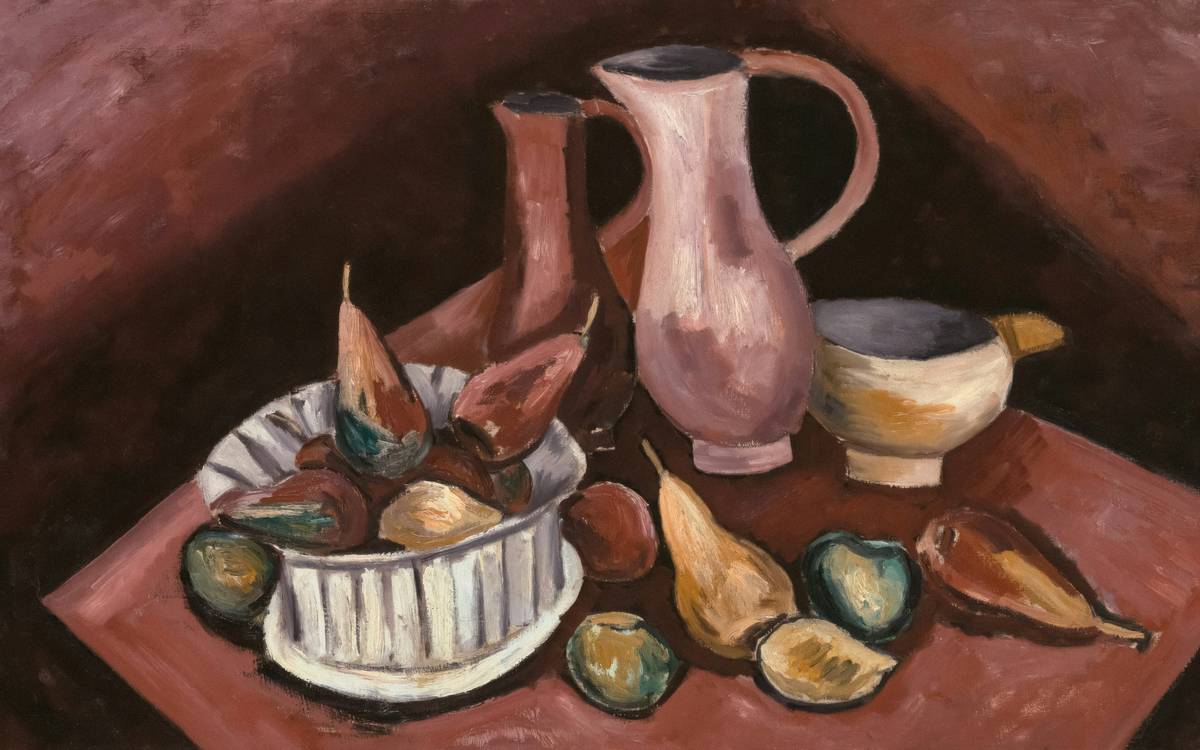
Still life isn’t stuck in the 17th century—it’s having a quiet renaissance in contemporary spaces. Why? Because these compositions celebrate ordinary objects (fruit, vases, books) transformed through light, texture, and perspective. They add warmth without overwhelming a room, making them perfect for minimalist or maximalist homes alike.
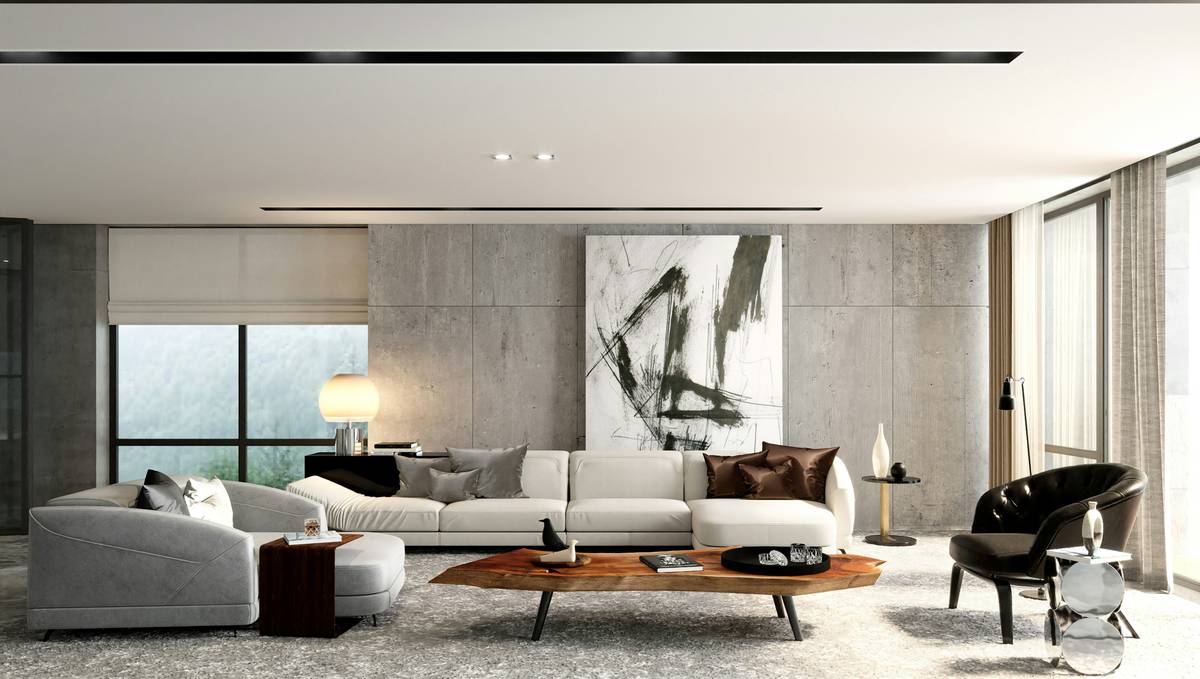
I learned this the hard way. Years ago, I hung a large, dark still life above my sofa—only to realize it made the room feel like a Victorian funeral parlor. The mistake? Ignoring scale and color temperature. Today, I stick to lighter palettes and intimate sizes. According to interior design research from the American Society of Interior Designers, artwork should complement 60–70% of a room’s dominant color scheme—not clash with it.
Your Step-by-Step Guide to Incorporating Still Life Art
1. Define Your Style Anchor
Are you drawn to rustic farmhouse fruit bowls or sleek modern arrangements? Pinpoint your aesthetic first. Browse Pinterest or our About Us page to see how we blend vintage and contemporary elements.
2. Choose the Right Size and Frame
For walls under 6 feet wide, select pieces no larger than 24×36 inches. Slim black or natural wood frames keep focus on the painting, not the border.
3. Source Thoughtfully
Look beyond big retailers. Etsy artists, local galleries, and even community college art sales offer authentic, affordable options. One of my favorite finds cost $35 and now hangs proudly in my entryway.
4. Hang at Eye Level
The center of the artwork should sit 57–60 inches from the floor—standard museum height. This ensures visual comfort whether you’re seated or standing.
5 Best Practices for Styling Still Life Pieces Like a Pro
- Group in odd numbers: Trios of small still lifes create rhythm without symmetry fatigue.
- Light it right: Use directional LED spotlights (not overhead fluorescents) to mimic natural window glow.
- Mix mediums: Pair an oil still life with a nearby ceramic bowl or woven basket for tactile harmony.
- Rotate seasonally: Swap citrus-themed pieces for autumn gourds or winter evergreens to keep rooms feeling fresh.
- Avoid this terrible tip: Never hang still life art in high-humidity areas like bathrooms—moisture warps canvas and fades pigments fast.
Real Homes, Real Results: Case Studies That Work
A Minneapolis homeowner replaced generic kitchen wall art with three 8×10 lemon still lifes (total cost: $90). Within weeks, guests consistently complimented the “inviting, sunlit vibe.” Similarly, a Denver apartment used a monochromatic coffee-cup still life above a narrow console—adding depth to a formerly sterile hallway. These aren’t flukes. Data from Houzz’s 2023 Home Decor Report shows that 74% of renovated homes featuring curated art (including still life art easy pieces) sold faster than comparable listings.
Frequently Asked Questions
Is still life art easy to paint for beginners?
Absolutely. Still life subjects don’t move, allowing you to study form and shadow at your own pace. Start with simple objects like apples or mugs using acrylics—no prior experience needed.
Where should I avoid hanging still life paintings?
Steer clear of direct sunlight (causes fading) and humid zones like laundry rooms. Also, skip placing food-themed art opposite dining tables—it can feel repetitive.
Can digital prints count as authentic still life art?
Yes, if sourced ethically. Look for giclée prints signed by the artist. Avoid mass-market posters labeled “decorative only.”
How do I clean a dusty still life painting?
Gently brush surface dust with a soft, dry makeup brush. Never use water or cleaners—this risks damaging varnish or pigment layers.
Conclusion
Still life art easy isn’t about perfection—it’s about presence. Whether you buy, borrow, or DIY, these quiet compositions invite mindfulness into everyday spaces. And if you’re ready to personalize your walls but need guidance, we’d love to help. Reach out via our Contact Us page. After all, your home deserves art that feels like *you*—not just something that fills empty space. Oh, and remember: great decor begins where clutter ends. Keep it simple, keep it real.