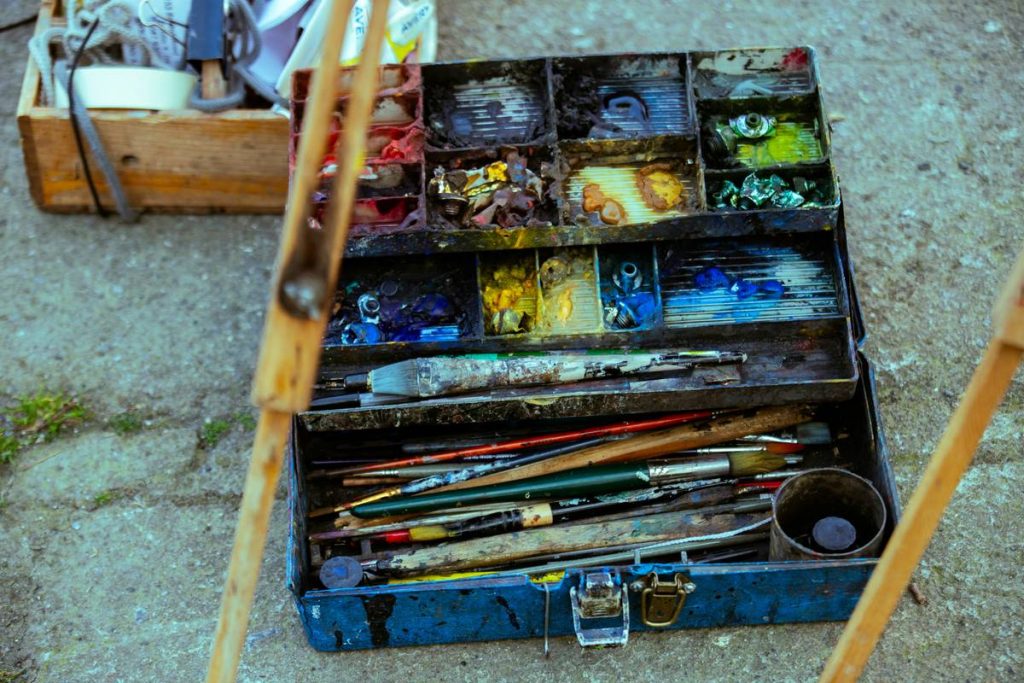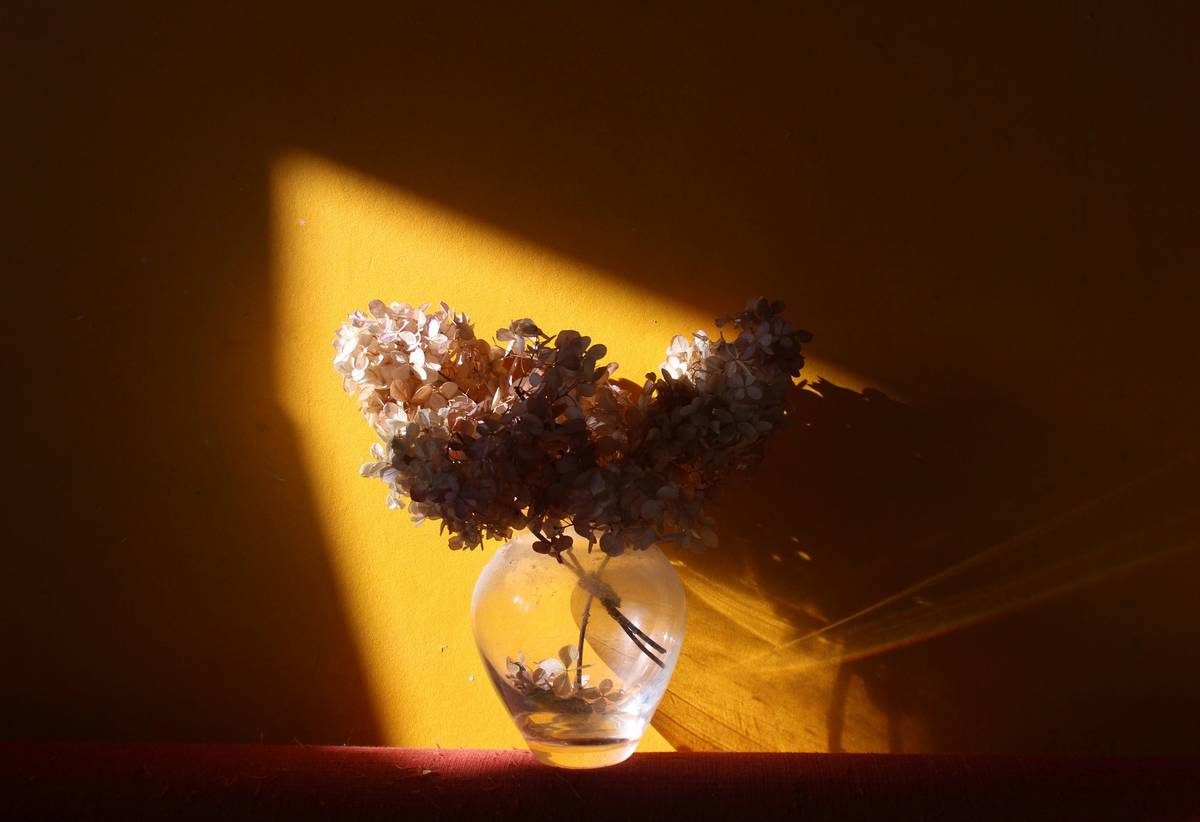
Ever hung a beautiful painting only to realize it clashes with your throw pillows—or worse, drains the room of all warmth? You’re not alone. Still life art work is one of the most misunderstood (yet powerful) tools in home decor. Too often, people treat it as mere filler rather than a focal point that can elevate an entire space. In this guide, I’ll walk you through exactly how to choose, place, and style still life art work so it enhances—not hinders—your interior design. Whether you’re refreshing a tired living room or staging a home for sale, these seven actionable tips come from hard-won experience (yes, including that time I bought a $300 print that made my dining room feel like a dentist’s waiting area).
Table of Contents
- Why Still Life Art Work Matters in Home Decor
- How to Choose and Style Still Life Art Work: Step by Step
- Best Practices for Displaying Still Life Paintings
- Real-World Examples of Still Life Art Work Done Right
- Frequently Asked Questions
Key Takeaways
- Still life art work adds depth, color harmony, and emotional resonance to any room.
- Scale and lighting matter more than you think—oversized pieces overwhelm small spaces.
- Always match the frame and matting to your existing decor palette, not the other way around.
- Avoid “theme overload”—one strong still life piece beats three competing ones.
- Authenticity builds trust; learn about the artist or era to deepen your connection to the piece.
Why Still Life Art Work Matters in Home Decor
In the world of home improvement, walls are often treated as blank canvases—but they shouldn’t be afterthoughts. Still life art work bridges function and feeling. Unlike abstract or landscape pieces, still lifes feature everyday objects—fruit, vases, books, candles—that subtly echo human presence without depicting people. This makes them ideal for creating intimacy in spaces meant for gathering or quiet reflection.
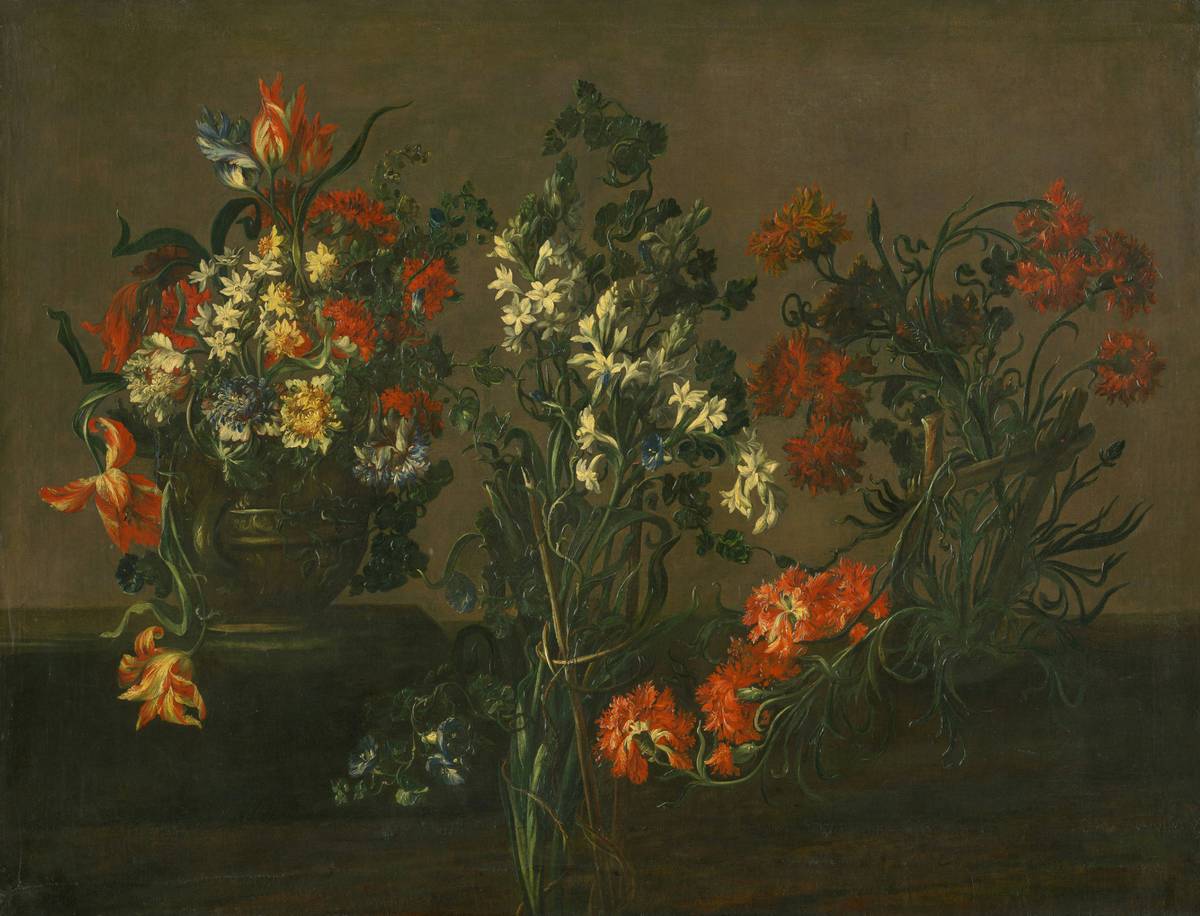
According to the Smithsonian American Art Museum, still life has been used since the 17th century to convey symbolism, abundance, and transience—themes that resonate deeply in today’s fast-paced interiors. When chosen wisely, still life art work doesn’t just fill wall space; it tells a story that aligns with your personal aesthetic.
How to Choose and Style Still Life Art Work: Step by Step
Step 1: Assess Your Room’s Color Story
Don’t pick artwork based on what you love in isolation. Instead, identify your room’s dominant and accent colors first. Pull out a throw pillow or rug swatch and match pigments in the painting to those hues. A green apple in your still life should harmonize with your sage curtains, not fight them.
Step 2: Get the Scale Right
I once hung a tiny 8×10 framed print above a massive farmhouse sofa. The result? It looked like a postage stamp floating in empty sky. Rule of thumb: your artwork should span 60–75% of your furniture’s width beneath it. For a 72-inch credenza, aim for a 45–55-inch-wide piece (including frame).
Step 3: Mind the Lighting
Natural light enhances texture in oil-based still life paintings, but direct sun fades pigments over time. Position pieces where ambient light grazes—not blasts—the surface. Use LED picture lights for evening ambiance without UV damage.
Best Practices for Displaying Still Life Paintings
- Frame it thoughtfully: A rustic wooden frame suits vintage fruit bowls; sleek black works for minimalist compositions.
- Group with care: If creating a gallery wall, let one still life piece anchor the arrangement—don’t pair it with competing genres like cityscapes or portraits.
- Avoid the “above-the-couch” cliché: Yes, it’s common, but not always ideal. Try placing still life art work in hallways, bedrooms, or even bathrooms (with proper humidity control).
- Rotate seasonally: Swap summer citrus scenes for autumn gourds to keep your decor feeling fresh.
And here’s a terrible tip you’ll see online: “Just match the largest color in the painting to your wall.” No! Walls should recede; art should pop. Let the artwork contrast slightly with its backdrop for maximum impact.
Real-World Examples of Still Life Art Work Done Right
A 2023 interior design survey by Houzz found that 68% of homeowners who incorporated curated still life art work reported higher satisfaction with their space’s “emotional comfort.” One case study featured a Brooklyn apartment where the owner replaced generic botanical prints with a single 1930s-inspired still life of lemons and linen. The change cost under $200—including framing—and became the visual heartbeat of the open-plan kitchen-living area.
For historical context, Dutch Golden Age masters like Willem Kalf used rich textures and symbolic objects to reflect wealth and mortality—a technique you can adapt today by choosing pieces with meaningful items (e.g., heirloom teacups, favorite books). Learn more about these traditions through the Metropolitan Museum of Art’s online collection.
Frequently Asked Questions
What makes a good still life painting for home decor?
Look for balanced composition, cohesive color palette, and emotional resonance. Avoid chaotic arrangements unless your room already embraces maximalism.
Can I mix still life art work with other art styles?
Yes, but do so intentionally. Pair a floral still life with a subtle abstract that shares a dominant hue—never with another busy figurative piece.
Where’s the best place to buy affordable still life art work?
Local art fairs, Etsy (filter for “original paintings”), and museum reproductions (like those from WikiArt) offer quality options without gallery markups.
How high should I hang still life art work?
Center it at eye level—typically 57–60 inches from the floor. Adjust slightly lower in intimate spaces like reading nooks.
Does still life art work increase home value?
Not directly, but staged homes with thoughtful art sell faster, per real estate data from the National Association of Realtors.
If you’re ready to transform your space with intention—not guesswork—we’d love to hear your vision. Reach out via our Contact Us page for personalized tips. And if you’re curious about our philosophy on blending art and function, check out our About Us story. All your data stays private—see our full Privacy Policy for details.
Remember: a room without soul is just square footage. But a single well-placed still life art work? That’s where home begins.