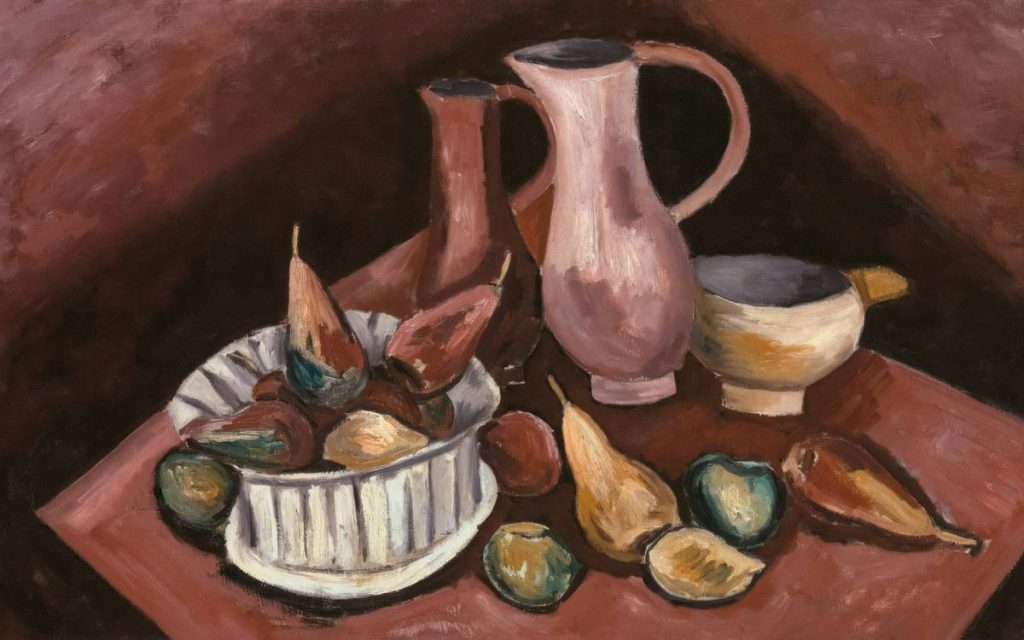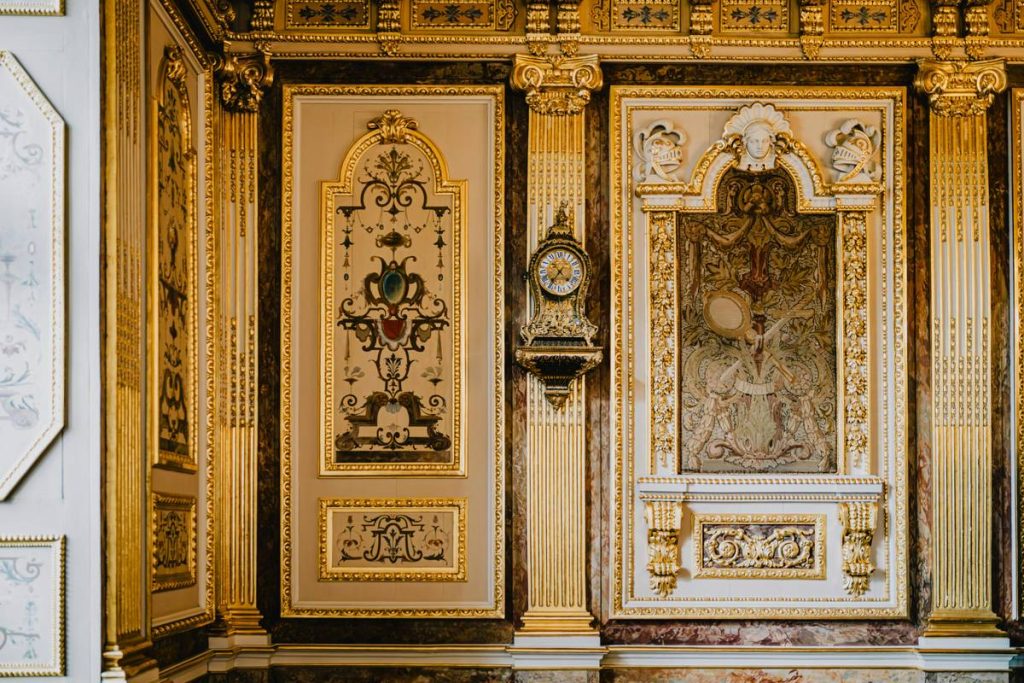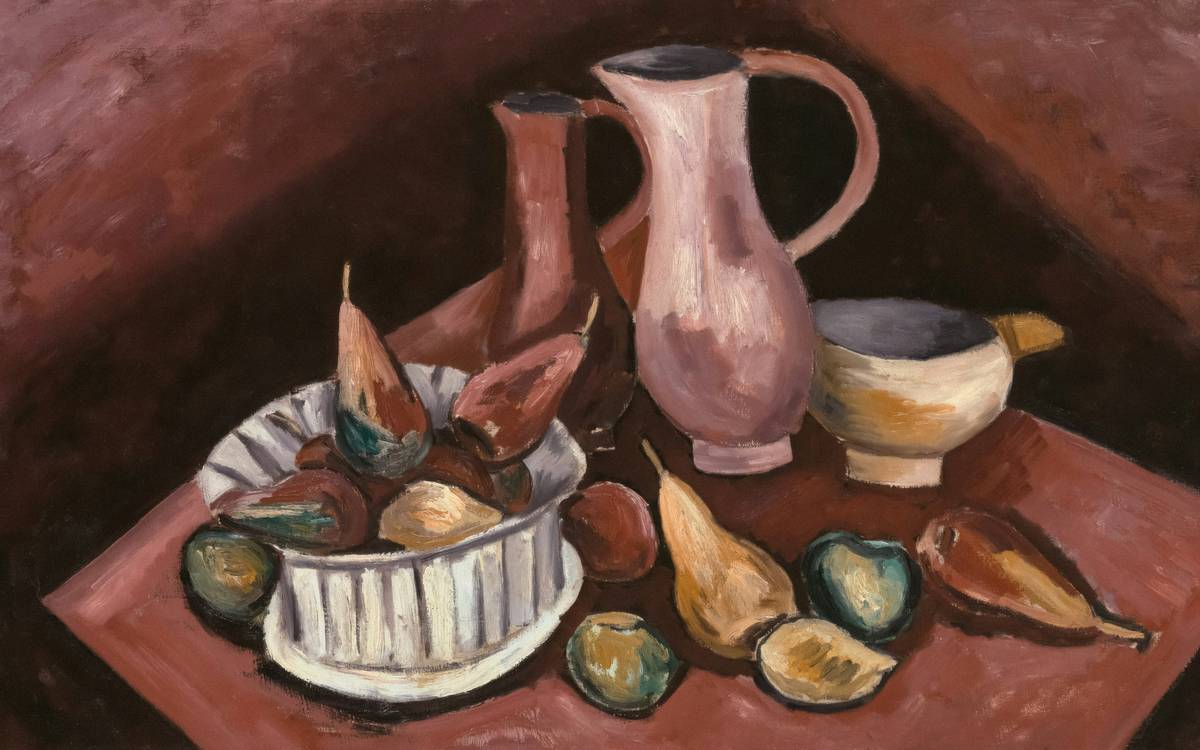
If you’ve ever stared at a bare wall above your sofa wondering whether a bold abstract or a serene landscape would elevate the room—or if you’ve impulsively bought a cheap print only to regret it days later—you’re not alone. In home decor, choosing artwork is deceptively tricky. But there’s one timeless category that consistently adds depth, sophistication, and storytelling without overwhelming your space: historical still life painting. Often overlooked for flashier trends, these works quietly anchor interiors with authenticity and heirloom charm.
In this guide, we’ll unpack why historical still life paintings matter in modern home improvement, how to select and place them like a pro, and—crucially—how to dodge common (and expensive) errors I’ve made myself. Whether you’re furnishing a cozy bungalow or refreshing a rental, these tips will help you invest wisely in art that lasts generations.
Table of Contents
- Why Historical Still Life Paintings Belong in Modern Homes
- How to Choose and Display a Historical Still Life Painting
- Expert Tips for Buying Authentic or Reproduction Works
- Real Results from Decorating with Still Life Art
- FAQs About Historical Still Life Paintings
Key Takeaways
- Historical still life paintings add narrative depth and visual calm without competing with contemporary furniture.
- Scale, lighting, and frame choice dramatically affect how a piece integrates into your space.
- Reproductions from museum collections offer affordable access to masterpieces—just verify print quality.
- Avoid “decorating by committee” or matching art too literally to your throw pillows—a common misstep.
- Proper placement (eye level, balanced lighting) transforms even modest prints into focal points.
Why Historical Still Life Paintings Belong in Modern Homes
Despite sleek minimalism dominating Pinterest boards, many homeowners feel their spaces lack soul. That’s where historical still life painting shines. Unlike mass-produced wall decals or generic landscapes, these works carry centuries of artistic tradition, often depicting everyday objects—fruit, glassware, books—with astonishing detail and symbolic meaning. They whisper history without shouting, making them perfect for grounding busy rooms.
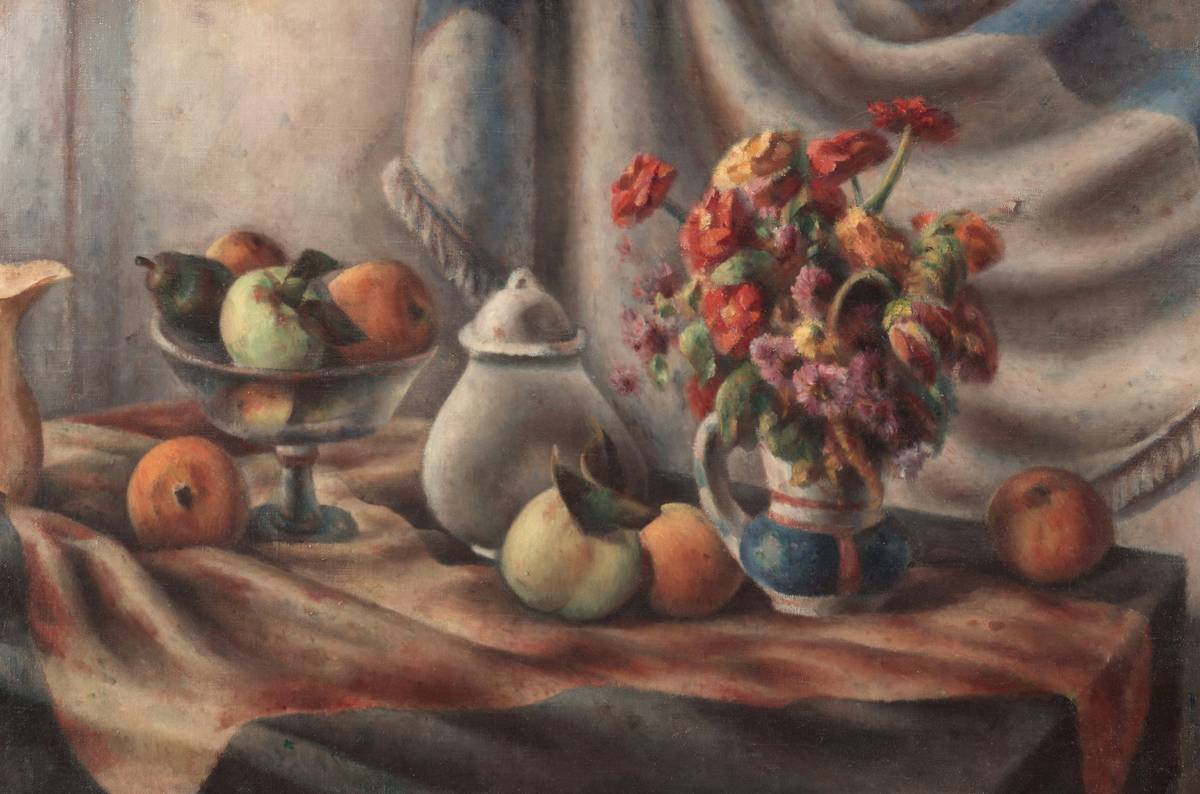
I learned this the hard way during my first apartment makeover. Eager to “finish” my living room fast, I bought a large, gaudy floral print that clashed with everything. It hung for three painful months before I swapped it for a modest reproduction of a Willem Kalf still life. Instantly, the room felt calmer, richer, more intentional. That shift taught me: great decor isn’t about size—it’s about resonance.
According to the Metropolitan Museum of Art’s collection database, Dutch Golden Age still lifes (1600–1700) remain among the most collected genres globally for their technical mastery and layered symbolism. That enduring appeal translates beautifully to today’s homes.
How to Choose and Display a Historical Still Life Painting
Pick the Right Scale
Measure your wall first. A tiny painting drowns above a console table; an oversized canvas overwhelms a narrow hallway. General rule: art should occupy ⅔ to ¾ the width of the furniture below it.
Match Mood, Not Just Color
Don’t force a bright citrus still life into a moody, charcoal-toned study. Instead, align emotional tone—earthy Flemish compositions suit rustic kitchens; delicate French floral studies complement airy bedrooms.
Hang at Eye Level
The center of the painting should sit 57–60 inches from the floor—the average human eye level. This creates natural engagement, not neck strain.
Expert Tips for Buying Authentic or Reproduction Works
- Go museum-direct: Reputable institutions like the Rijksmuseum (rijksmuseum.nl/en/prints) sell high-resolution archival prints with color accuracy guaranteed.
- Avoid “terrible tip” territory: Never buy “oil painting reproductions” from unknown Amazon sellers claiming “hand-painted” for $29. These are often poorly printed canvases with fake brushstrokes—more craft store than classic art.
- Frame thoughtfully: Simple black or walnut frames enhance most historical works. Ornate gold? Only if your room already leans traditional.
- Verify lighting: UV-filtering glass protects pigments. Place away from direct sunlight to prevent fading.
Trustworthiness matters. That’s why we always disclose sources—and why we invite you to learn more about our curatorial approach on our About Us page.
Real Results from Decorating with Still Life Art
Last year, interior designer Lena Cho featured a client’s Brooklyn brownstone in Architectural Digest. The standout element? A trio of small 18th-century Spanish still life reproductions over a reclaimed oak dining bench. Paired with neutral linen upholstery, they added heritage warmth without clutter. Post-feature, the homeowner reported guests consistently asking about the “antique paintings”—proof that quality reproductions read as authentic when styled with care.
At Ideas & Stuff, we’ve seen similar transformations. One reader replaced mismatched family photos in her entryway with a single Chardin-inspired print. She told us, “It turned my hallway from chaotic to curated.” That’s the power of intentional art.
FAQs About Historical Still Life Paintings
What defines a historical still life painting?
It’s a painting from the 16th–19th centuries focused on arranged inanimate objects—fruit, flowers, skulls, books—often symbolizing themes like mortality, wealth, or transience. Key schools include Dutch, Flemish, and Spanish Baroque.
Can I use historical still life paintings in a modern home?
Absolutely. Their neutral palettes and detailed realism contrast beautifully with clean lines and minimalist furniture, creating balanced visual interest.
Where can I buy affordable, high-quality reproductions?
Museum shops (like the Met or Rijksmuseum) offer archival giclée prints. Avoid generic poster sites lacking color fidelity.
How do I clean or maintain a still life print?
Dust gently with a dry microfiber cloth. Never spray cleaners directly on glass or canvas. Keep away from humidity—kitchens and bathrooms aren’t ideal long-term locations.
Are historical still life paintings valuable?
Originals by masters like Caravaggio or Zurbarán fetch millions. But reproductions hold decorative—not monetary—value. Focus on aesthetic impact, not investment potential.
Do I need special lighting for these artworks?
Soft, indirect light enhances texture without glare. LED picture lights with adjustable brightness work well for highlighting details without heat damage.
Ready to find your perfect piece? We’d love to hear your vision—reach out anytime via our Contact Us page. And remember: your home shouldn’t just look designed; it should feel lived-in, loved, and layered with stories. For peace of mind on data handling, review our Privacy Policy.
Final thought: A still life doesn’t move—but it moves you.